

NB Adhesion Reset
Firm lines from adhesion planned to move more smoothly
A hardened contour after liposuction may not be a simple fat issue. Ultrasound-based assessment, release planning, and contour redesign are considered from the underlying cause.
Is This You?
If these symptoms feel familiar, it may not be a simple fat concern
- The skin feels pulled inward after surgery
- The area feels firm or hardened to the touch
- The skin surface looks uneven
- The adhered area does not soften with exercise
- The contour does not seem to recover over time
Adhesion may not resolve on its own with time. Fibrotic tissue often requires professional evaluation and release planning based on tissue condition.
Why It Happens
When tissues are tethered together, natural recovery can be difficult
During recovery after liposuction, fibrous bands can form between tissue layers and cause them to adhere. Once this fixed structure develops, it may not loosen with time and can become firmer, interrupting the natural flow of the contour.
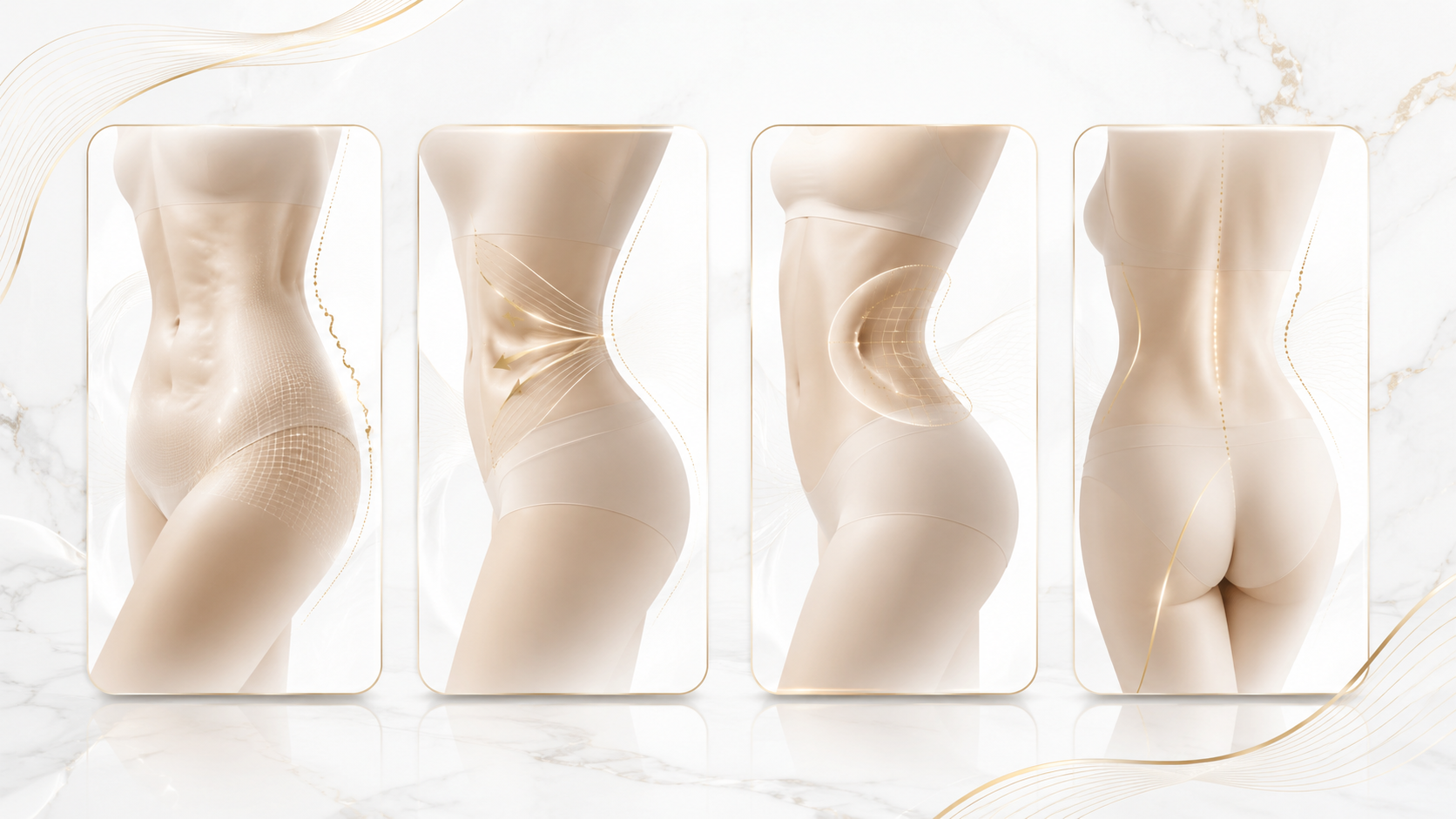
NB Method
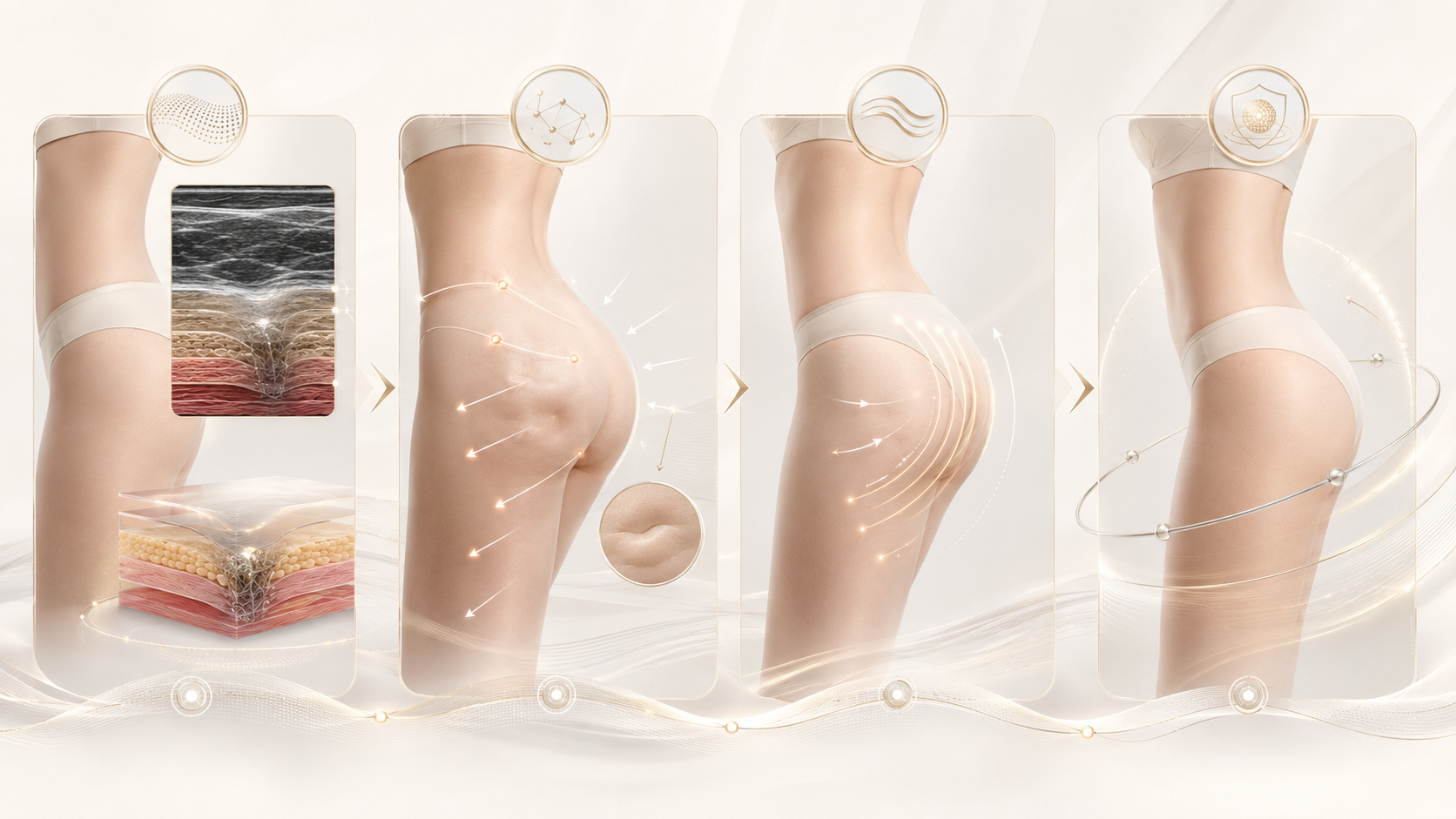
NB Adhesion Reset: 5-Step Approach
01
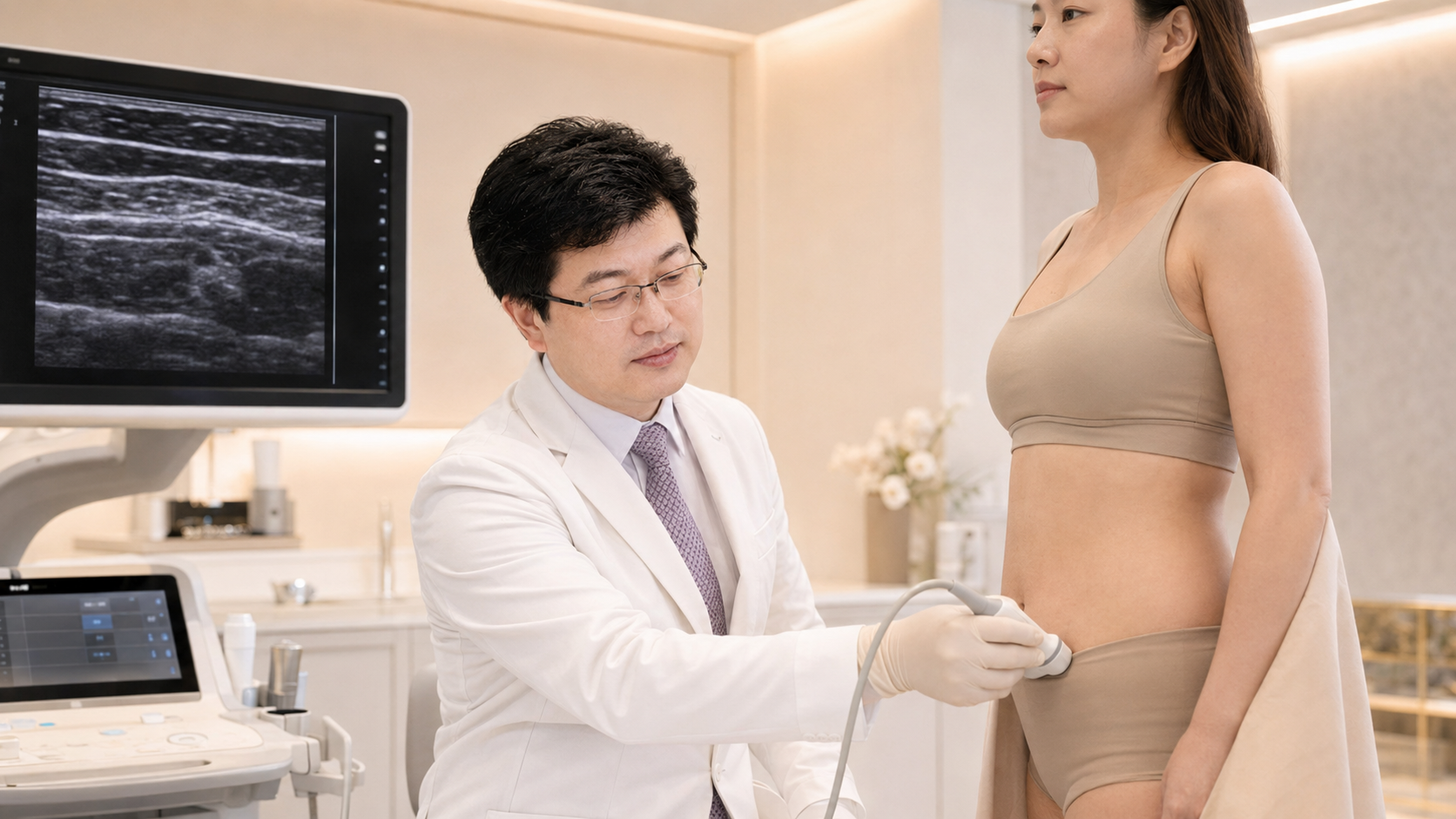
Ultrasound-Based Assessment
The depth, range, and likely cause of adhesion are assessed first so the revision plan can be based on tissue findings.
02
VASER2 Smooth Release
VASER2 Smooth is used to help separate fibrous bands under the skin with a tissue-focused approach, depending on the adhesion pattern.
03
Micro Fat Grafting
When volume deficiency is present, purified autologous fat may be grafted in small amounts to support smoother contour continuity.
04
Contour Redesign
After release, the surrounding tissue flow is reviewed so the line can be redesigned rather than treated as an isolated spot.
05
Recovery Care Protocol
Aftercare such as Versa Clear, U-Cell, Fraxel, RF, and Soft Meso is provided as a standard programme of 12 sessions in total, to support healing and reduce re-adhesion risk.
Area Programs
Adhesion Reset Programs by Area
Process
Adhesion Reset Procedure Flow
STEP 01
Ultrasound-Based Status Assessment
Detailed review of adhesion location and range
STEP 02
Revision Planning
Release and contour redesign plan
STEP 03
Surgeon-Led Procedure
Precise adhesion release based on tissue condition
STEP 04
Recovery Care
Stepwise care to support stable healing and reduce re-adhesion risk

Lifestyle
When the line begins to flow more smoothly again, small everyday movements can feel lighter.
As recovery progresses in the released area, sensation and contour flow may gradually settle over time.
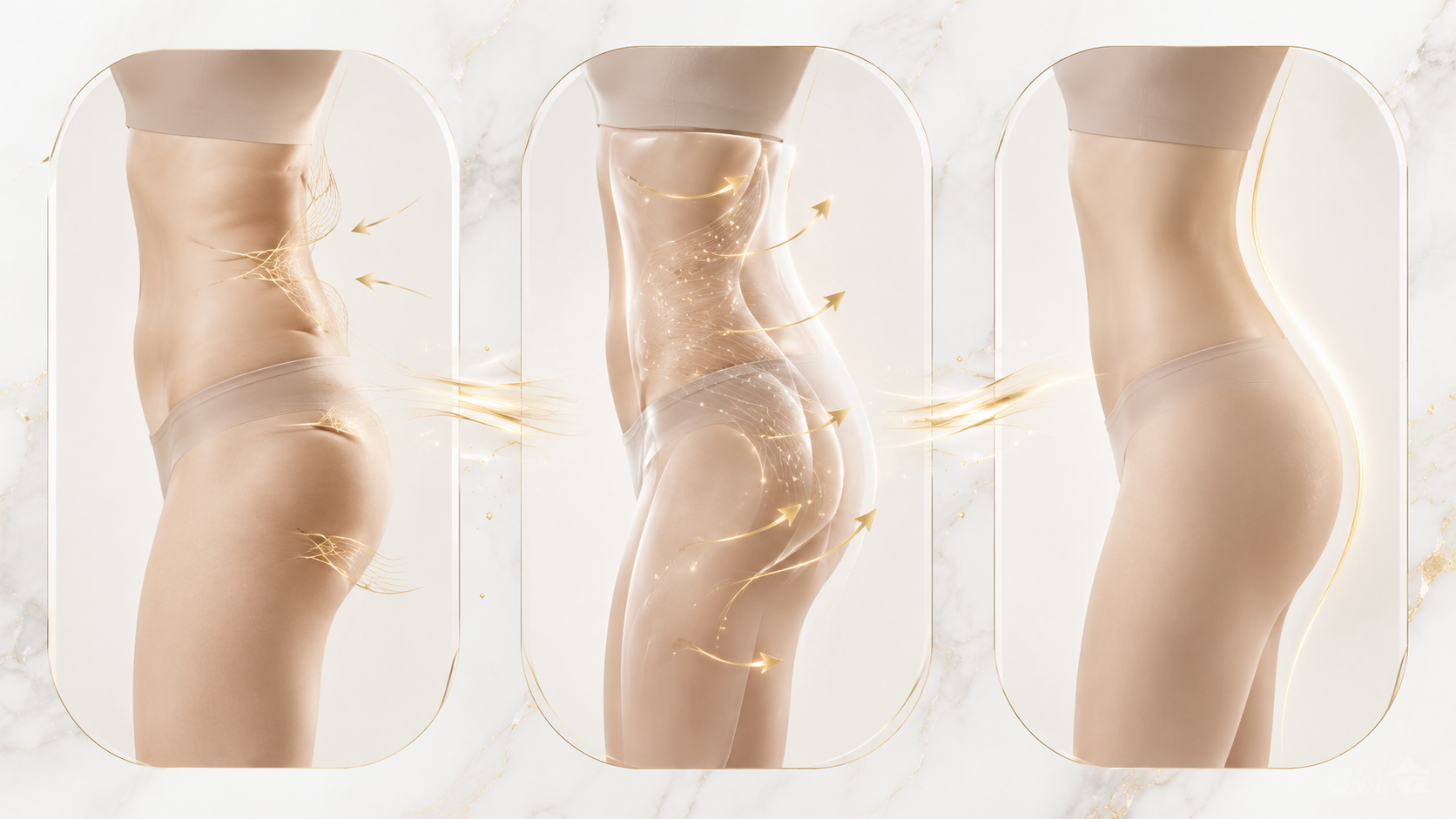
A line that stopped moving after surgery. A trace that remains in place even as time passes.
Adhesion can interrupt the natural flow of recovery.
When a fixed structure is released, movement can return and the line can begin to connect again.
Recovery means returning toward a more natural flow.
FAQ
Frequently Asked Questions
Q. Can adhesion loosen naturally over time?
Many adhesions do not fully loosen on their own. If tissue has become fibrotic, professional evaluation and release planning may be needed depending on the tissue condition.
Q. Can older adhesion still be revised?
It may be possible. The current condition and range of adhesion are often more important than how long it has been present. Suitability is assessed after ultrasound-based evaluation and consultation.
Q. When is the right time for revision?
In many cases, revision is considered after the tissue has had enough time to stabilize, often at least several months after the first surgery. The timing can vary by healing status and should be decided after consultation.
Q. Can I be treated even if my first surgery was done elsewhere?
Yes, consultation is possible. The revision plan is based on the current tissue condition and contour issue, regardless of where the previous surgery was performed.
Q. Can adhesion come back?
After release, micro fat grafting and recovery care may be considered to support tissue separation and contour stability. However, healing response can vary by area and individual tissue condition.
Q. What kind of anesthesia is used?
Local anesthesia or sedation may be used depending on the area and treatment range. Pre-procedure fasting and tests such as ECG and blood work may be required according to the surgical plan.
NB HANDMADE TECHNIQUE
Adhesion Reset — Handmade technique changes the outcome
Liposuction done with power equipment alone is fundamentally different from the NB handmade technique.
Meticulous handwork helps create natural lines and a lower likelihood of adhesion.
NB Handmade
Performed by hand by the head surgeon
The same head surgeon who designs the plan at your first consultation personally guides the cannula in the operating room. When the surgeon who designed the plan operates directly, the intended lines can be realized.
Maintaining an even fat layer
Rather than relying on power suction alone, the surgeon adjusts the cannula's direction and pressure by hand. This helps keep the remaining fat layer even and aims to minimize unevenness.
A low-adhesion dissection strategy
The directions and depths where adhesion tends to form are planned in advance. Dissection is carried out with the possibility of revision in mind, which helps reduce the likelihood of adhesion afterward.
Careful finishing by area
Borders and line transitions are refined with particular care. The connecting lines that look natural when dressed are the result of hand finishing.
Standard power liposuction
Primarily power-equipment driven
Strong suction removes fat quickly. It is fast, but fine control is difficult and there is a possibility of damage to surrounding tissue.
An uneven fat layer
Relying on power can leave the fat layer unevenly distributed. This may lead to surface unevenness and line issues around the borders.
Relatively higher risk of adhesion
Excessive dissection or uneven removal can increase the likelihood of adhesion. This can make correction more difficult if revision is needed.
Insufficient border finishing
The border between the treated area and its surroundings may be left looking unnatural. Surface irregularities can appear especially in thinner areas.
NB uses power equipment (VASER2 · BodyTite) to help prepare the fat layer and encourage skin retraction, while the line design and finishing are completed by the head surgeon's own handwork. Combining equipment with the handmade technique is central to NB's results.
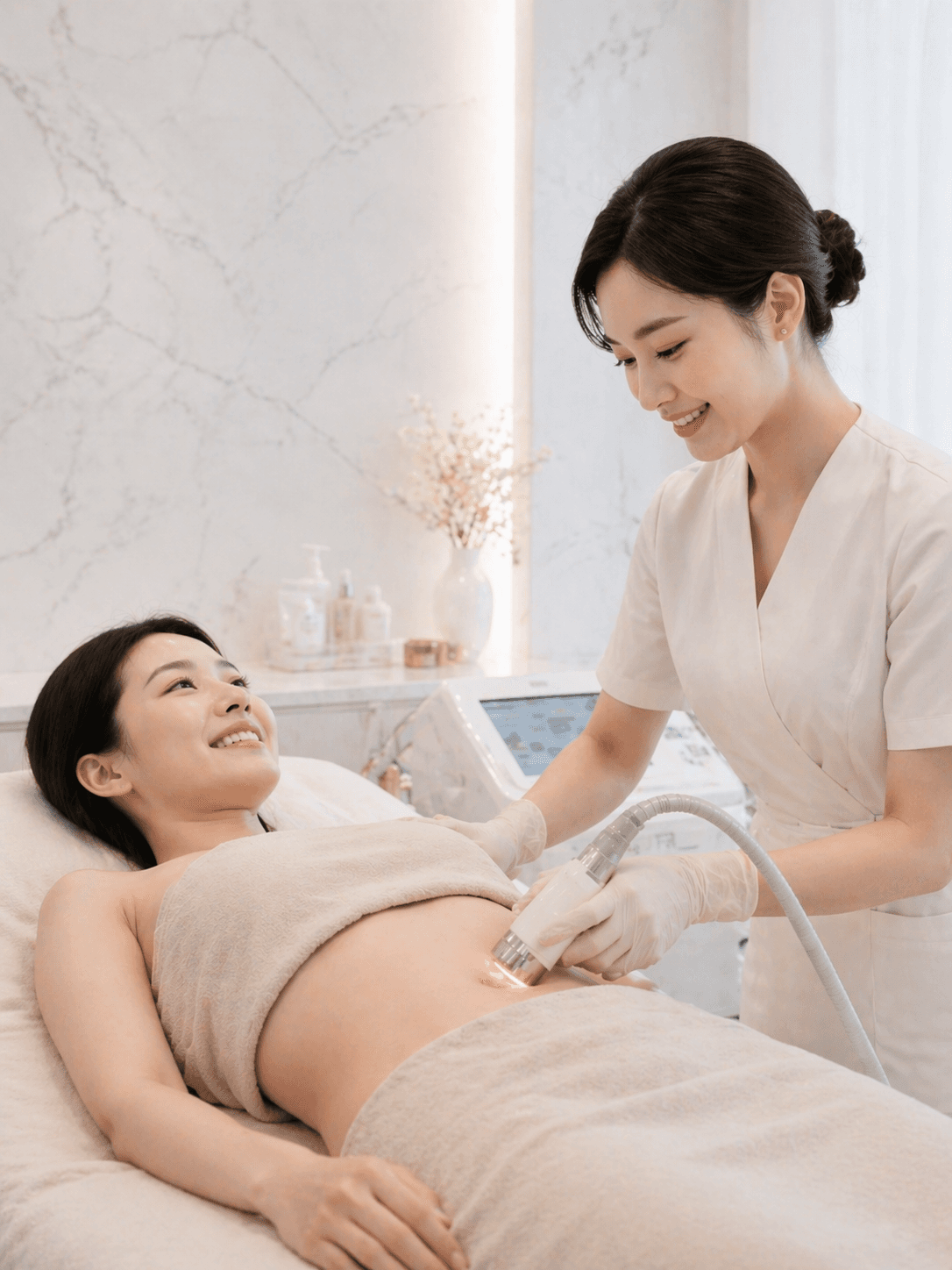
After surgery, with you through recovery
- 01VersaClear light therapy2 sessions
- 02Ucell standing-wave therapy2 sessions
- 03Radiofrequency care4 sessions
- 04
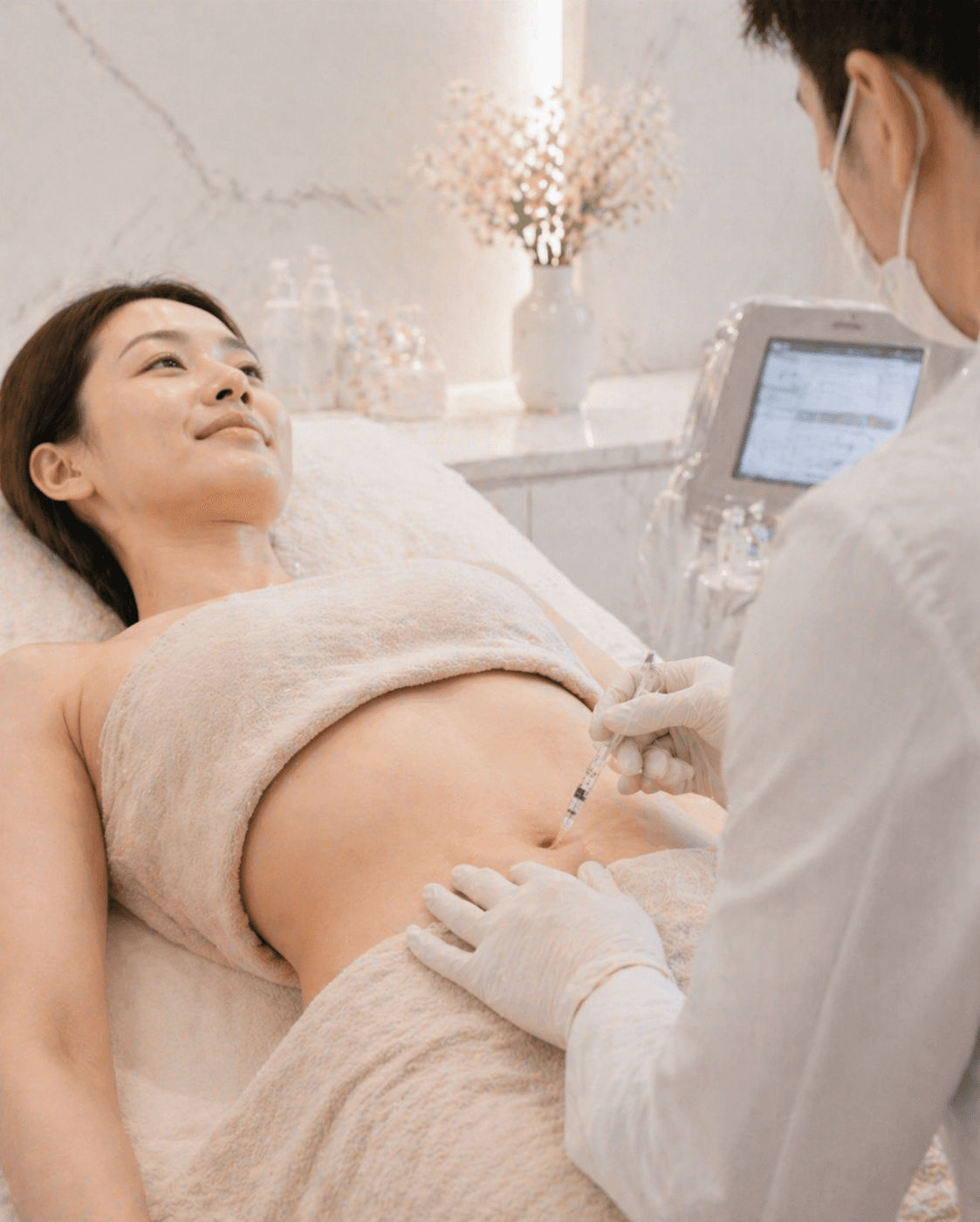 Soft-meso injection· Performed by the doctor2 sessions
 - 05
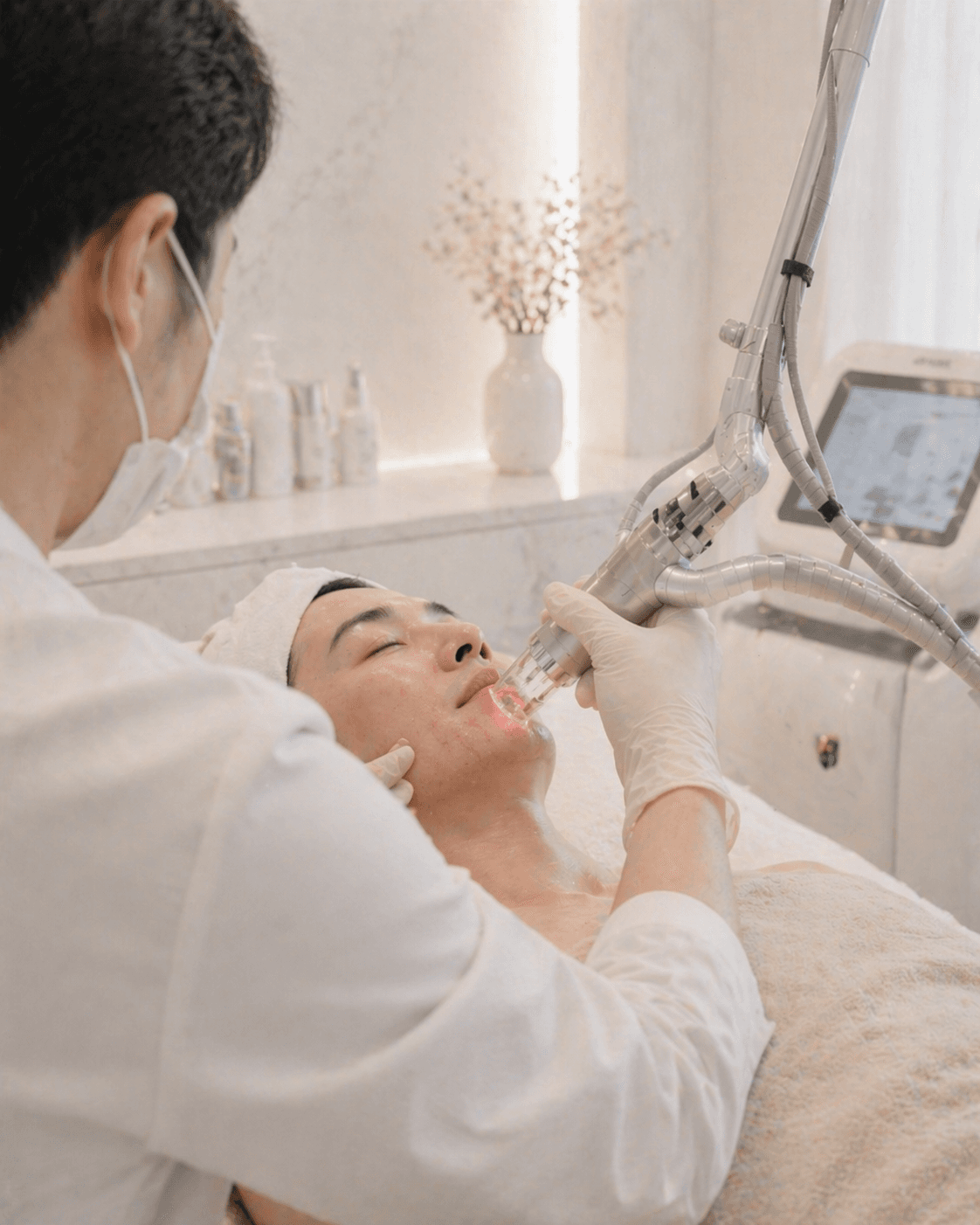 Fraxel scar laser· Performed by the doctor2 sessions
Basic aftercare is provided as a standard programme of 12 sessions in total — 4 swelling-care, 4 radiofrequency, 2 scar-laser and 2 meso-injection sessions. Actual scheduling and completion may vary depending on your ability to attend.
If care is needed beyond the basic aftercare, NB surgery patients receive a 50% discount on the standard price.
Legal Notice
※ If care cannot be provided due to reasons such as equipment malfunction, the affected care item may not be offered; as a service item, it is non-refundable.
※ Depending on your constitution and healing process, side effects such as swelling, bruising, inflammation, and scarring may occur after surgery.
NB Adhesion Reset
If adhesion is your concern, start with a careful consultation
Board-certified plastic surgeon consultation · ultrasound-based assessment · Gangnam Sinsa
A consultation alone is completely fine.