

Rhinoplasty · Nose Design
Keep the height, fit the line to your face
We respect the height you want,
while designing the bridge starting point, tip, and front/side balance together.
YOUR CONCERN
Do you have concerns like these?

- My nose is low and flat, so my face looks featureless
- My nasal tip is blunt or turned upward
- My dorsal hump bothers me
- My nostril wings look wide
- I want a higher nose but hesitate, worried it'll look artificial
DESIGN DIAGNOSIS
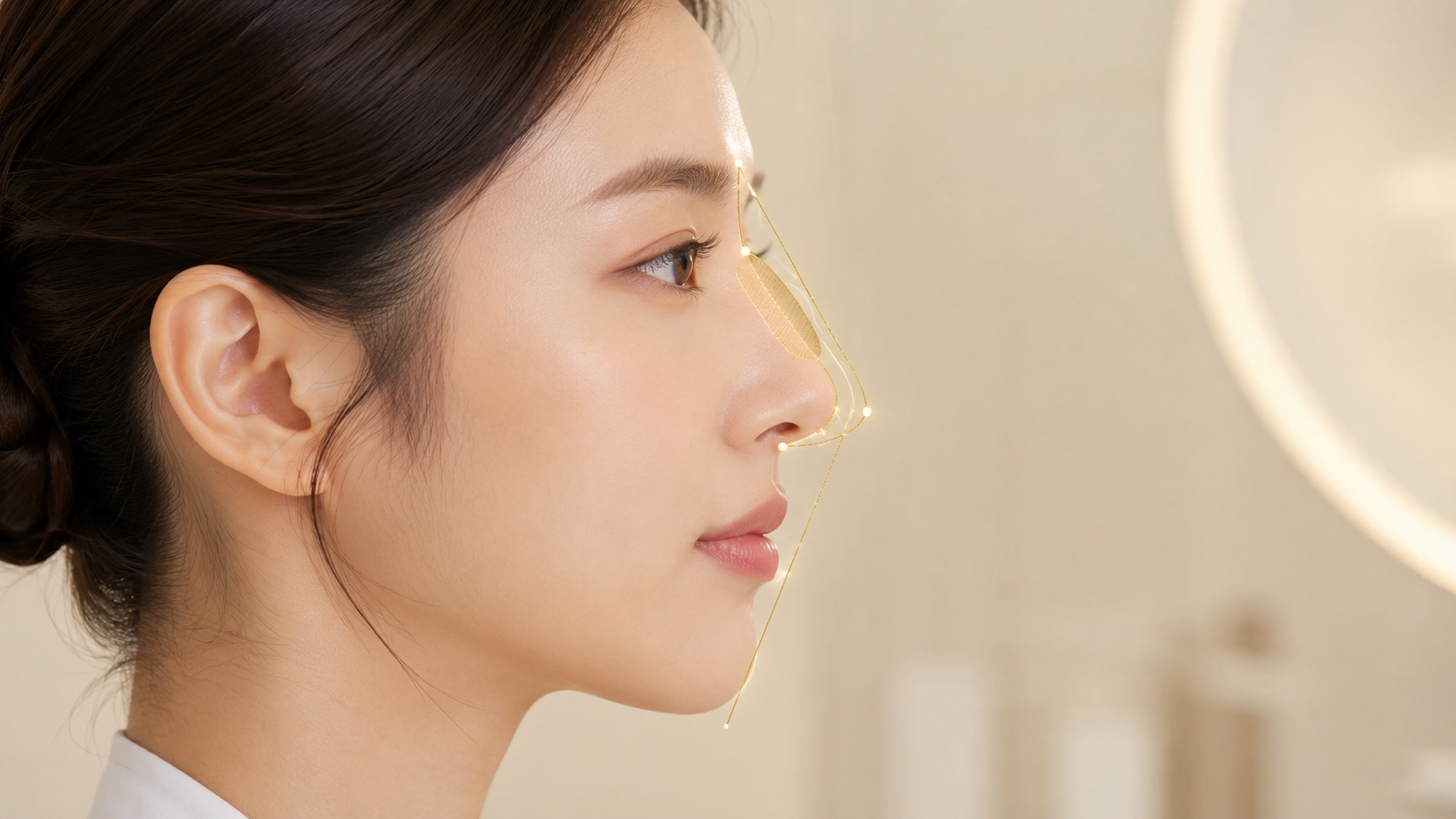
The bridge starting point, tip, and balance,
seen together
We keep the height, but the point where the nose begins, the tip's flow, and front/side balance must be seen together for it to connect naturally with the whole face.
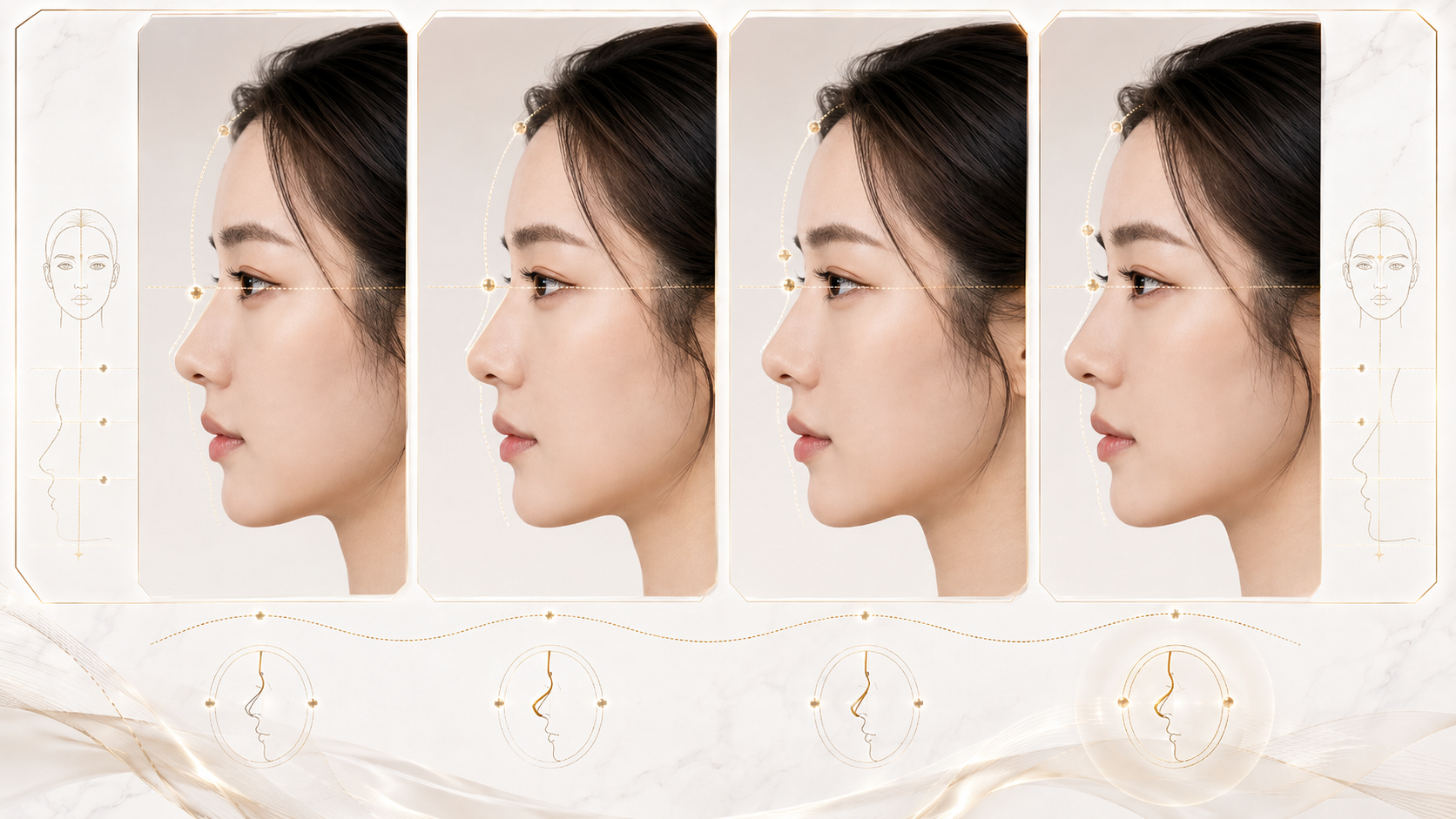
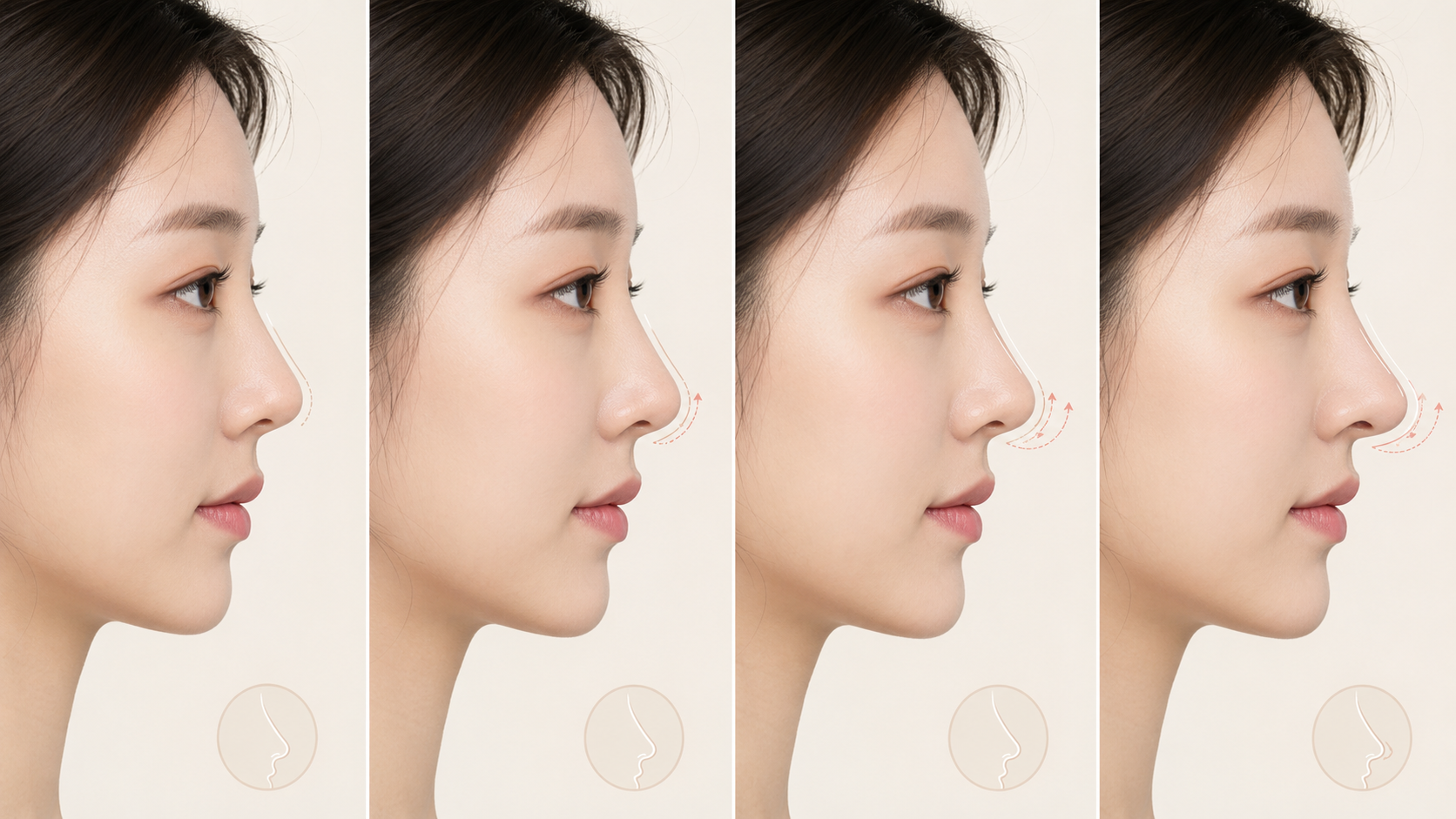
Bridge starting point (radix)
We check whether the height and position where the nose begins fit the facial proportion.
Bridge height · line
Based on the height you want, we design whether the side line flows naturally.
Tip projection
We judge how far forward the tip projects and whether its support is sufficient.
Tip direction (rotation)
We look at how much the tip is raised or drooping and set a soft flow.
Front · side balance
We look at whether the front-view line and the side profile are harmonious together.
Facial-line connection
We look at how the eye, mid-face, lip, and chin lines connect with the nasal midline.
NOSE LINE TYPES
The side-line type too,
chosen to fit your face
A Western straight nose isn't the only answer. We choose the side-line type to match your desired impression and facial proportion.
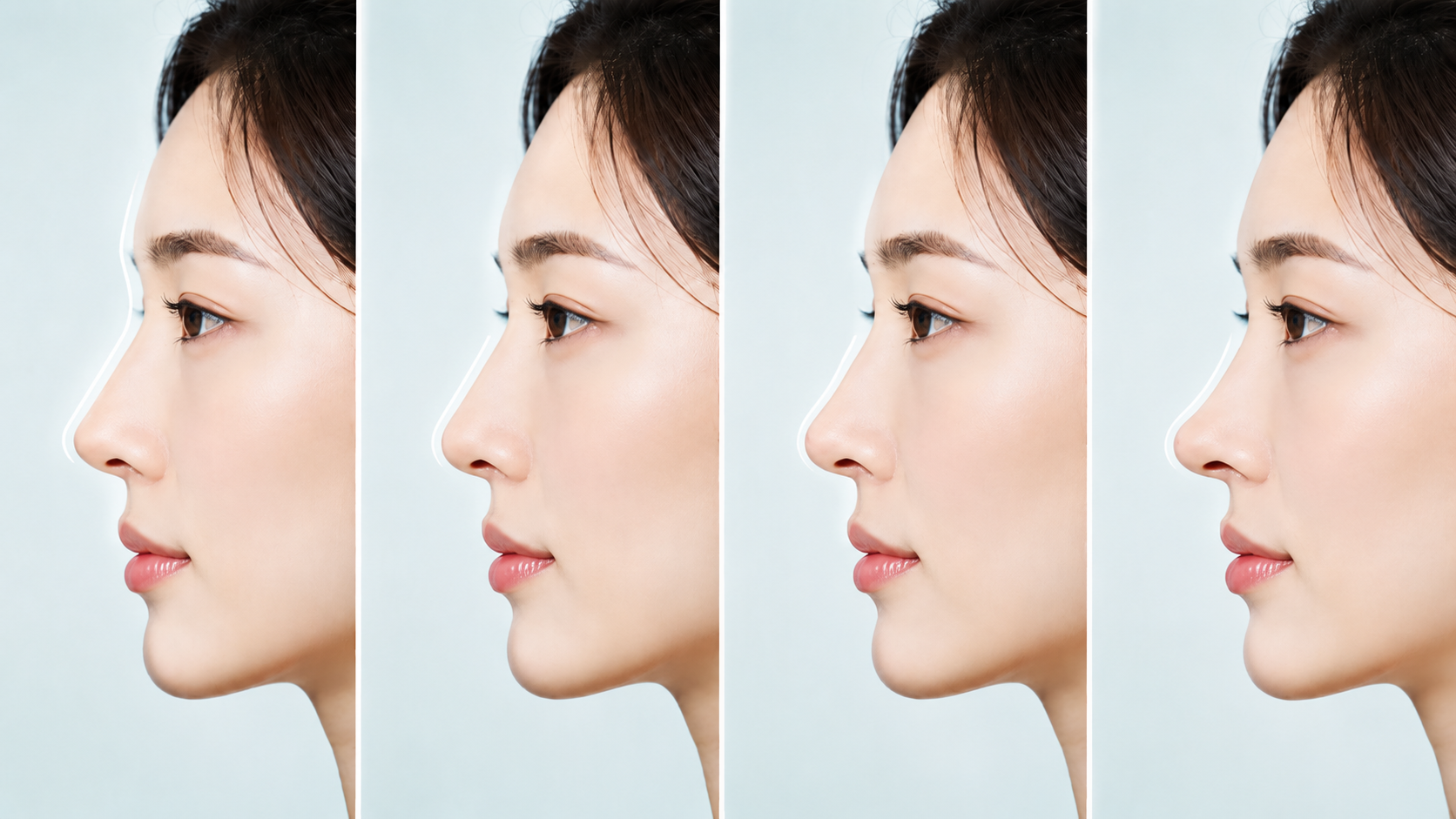
Straight
A side line close to straight — a clear, refreshing impression
Straight–half curved
A compromise between straight and curved — natural yet neat
Half curved
A soft curved line with a slightly raised tip
Curved (beoseon)
A feminine curved line with a distinctly upward tip
NOSE TYPE DESIGN
From bridge to tip, nostril wings, and line,
seen together
A rhinoplasty consultation is a process of checking, based on the height you want, the bridge starting point, the tip's direction and support, the nostril-wing width, the dorsal line, the midline, and the nose length and droop — all together. A natural nose line can be designed when each element connects harmoniously within a range that suits the whole face.

Low bridge · starting point
We keep the height you want while looking at the starting point running from the glabella to the bridge and the flow of the side line.
- Bridge starting point (radix)
- Height and skin thickness
- A width not excessive from the front
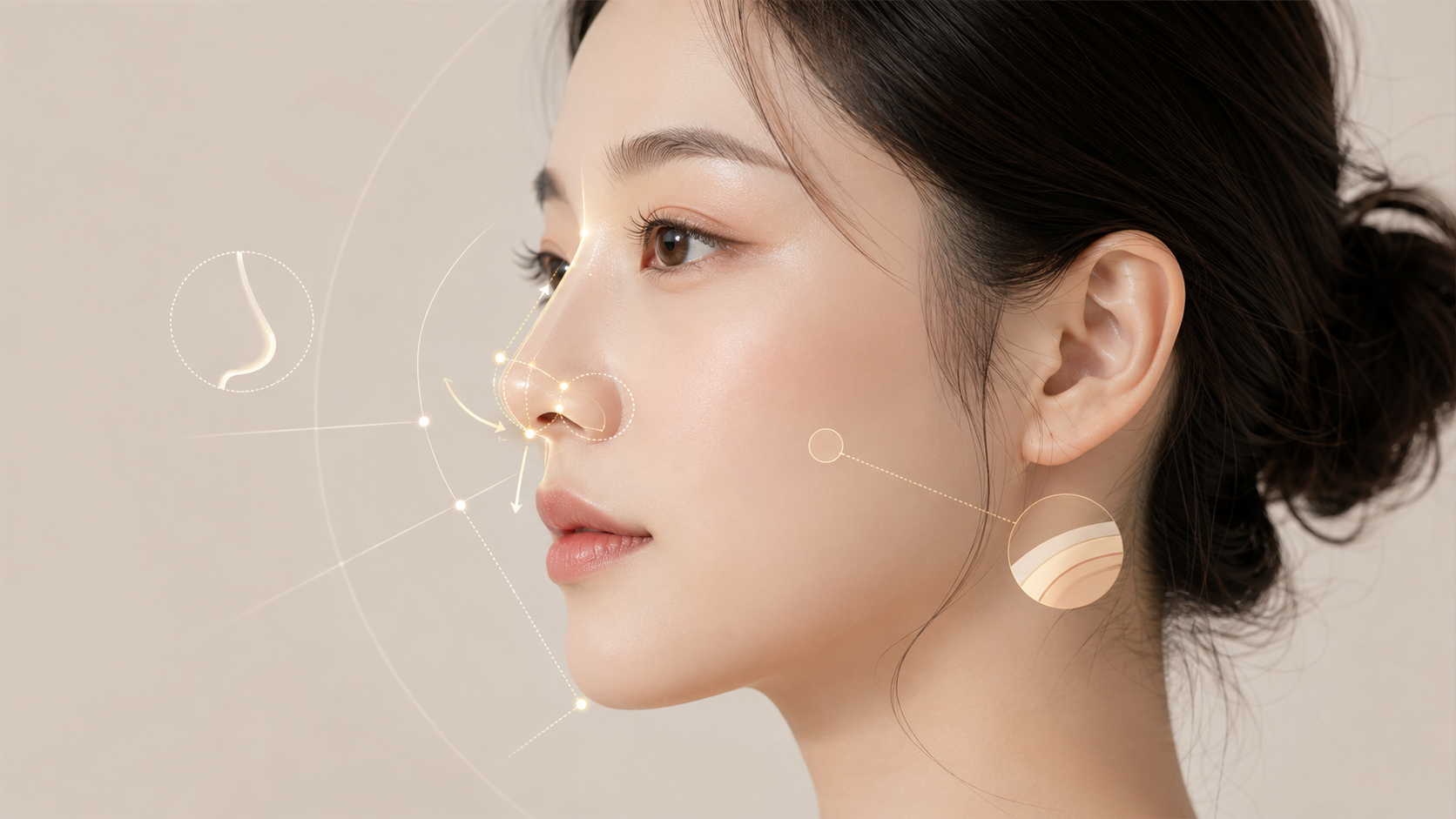
Tip height · direction
The tip's projection and rotation greatly change the profile and impression. Based on the tip height and direction you want, we check the support structure and skin thickness together.
- Tip projection
- Tip rotation
- Septal · cartilage support

Ala · nostril-wing ratio
When the nostril wings are wide or the nostrils stand out, we judge the reduction scope within balance with the tip and bridge.
- Nostril-wing width
- Nostril show
- Scar position and resection extent
Dorsal hump · bridge line
While smoothing a protruding dorsum, we softly connect the line running from the bridge to the tip.
- Degree of dorsal protrusion
- Need for osteotomy · line refinement
- Connection with the tip

Deviated nose · midline
When the nose looks bent from the front or the midline is off, the direction of bone, cartilage, and septum must be checked together.
- Front midline
- Possible septal deviation
- Left-right nostril · tip asymmetry

Short nose · upturned nose
When the nose looks short or upturned, we check the tip direction, skin laxity, and support structure together to judge the possible lengthening scope.
- Nose length
- Nostril show
- Skin laxity and possible lengthening scope

Arrow nose · drooping tip
When the tip droops downward, the impression can look long and heavy. We adjust the tip direction and the nasolabial angle together.
- Drooping tip direction
- Nasolabial angle
- Tip movement when smiling
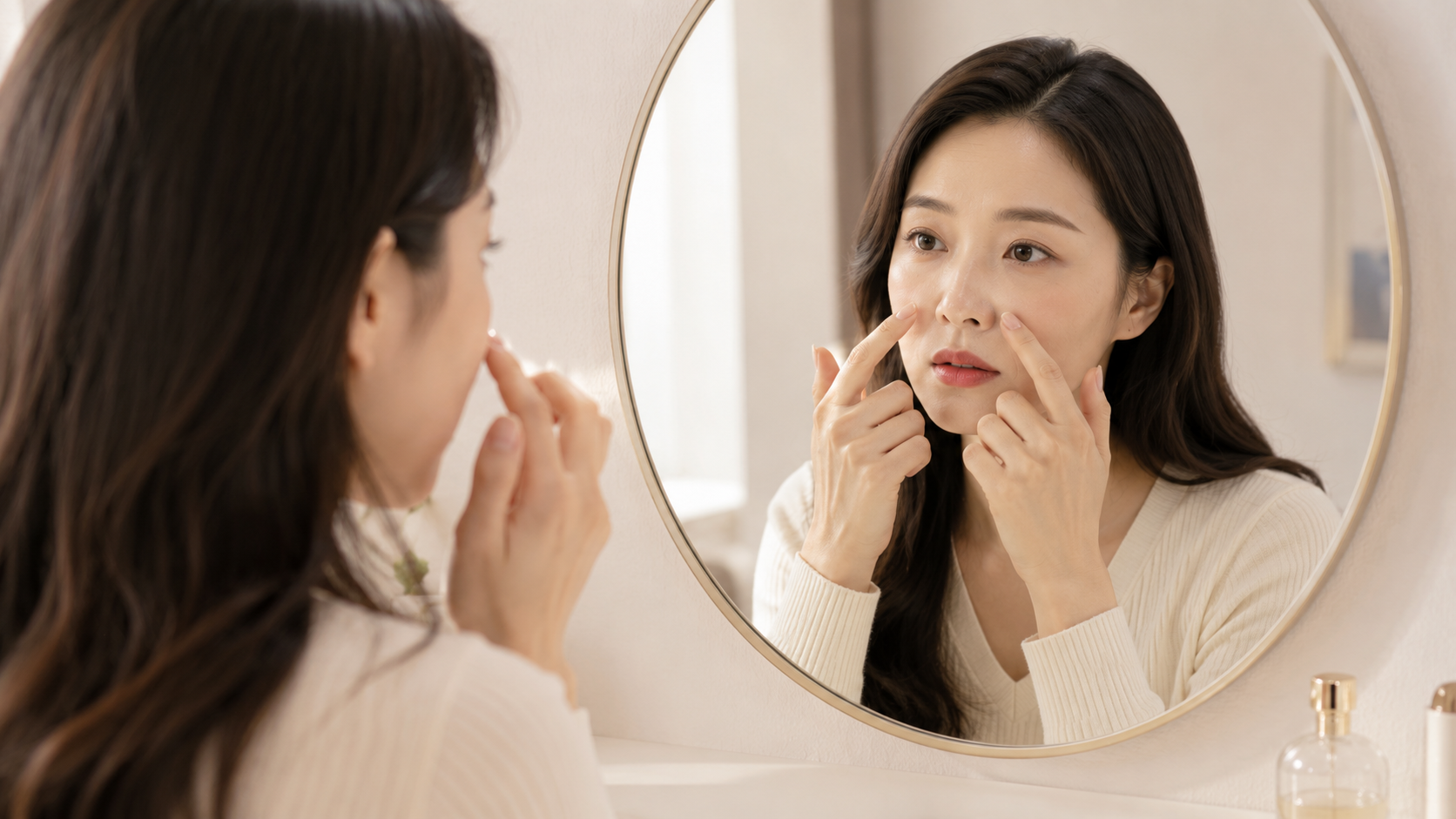
Combined rhinoplasty · revision judgment
When several issues coexist or there is a history of previous surgery, cause analysis and priority design matter more than a single procedure name.
- Existing material · skin condition
- Scar · contracture status
- Staged correction scope
Even the same 'rhinoplasty' needs different directions. A low bridge needs height and starting point; the tip needs support and direction; the nostril wings need width and scar position; a dorsal hump, deviated nose, short nose, and arrow tip need the structure and line flow checked together.
If you're not sure which type your nose is closest to, check the front, side, and smiling movement together in consultation.
If a previous rhinoplasty result troubles you, also look into revision rhinoplasty— which re-examines the cause from the start.
NB METHOD
5 rhinoplasty methods
Bridge correction
Raising / lowering the bridge
Using an implant or autologous cartilage to design a natural bridge line
Tip correction
Precise tip surgery
Designing the tip shape precisely with autologous cartilage
Hump correction
Dorsal hump correction
Correcting a protruding bridge line naturally
Nostril-wing correction
Alar reduction
Reducing wide nostril wings to balance the whole nose
Combined correction
Combined rhinoplasty
Correcting several areas at once for the most harmonious nose
MATERIALS
A single material
doesn't suit every nose
We choose the material by area (bridge/tip), purpose, skin condition, and whether it's a revision. Rather than insisting on one material, we decide the most stable combination together in consultation.
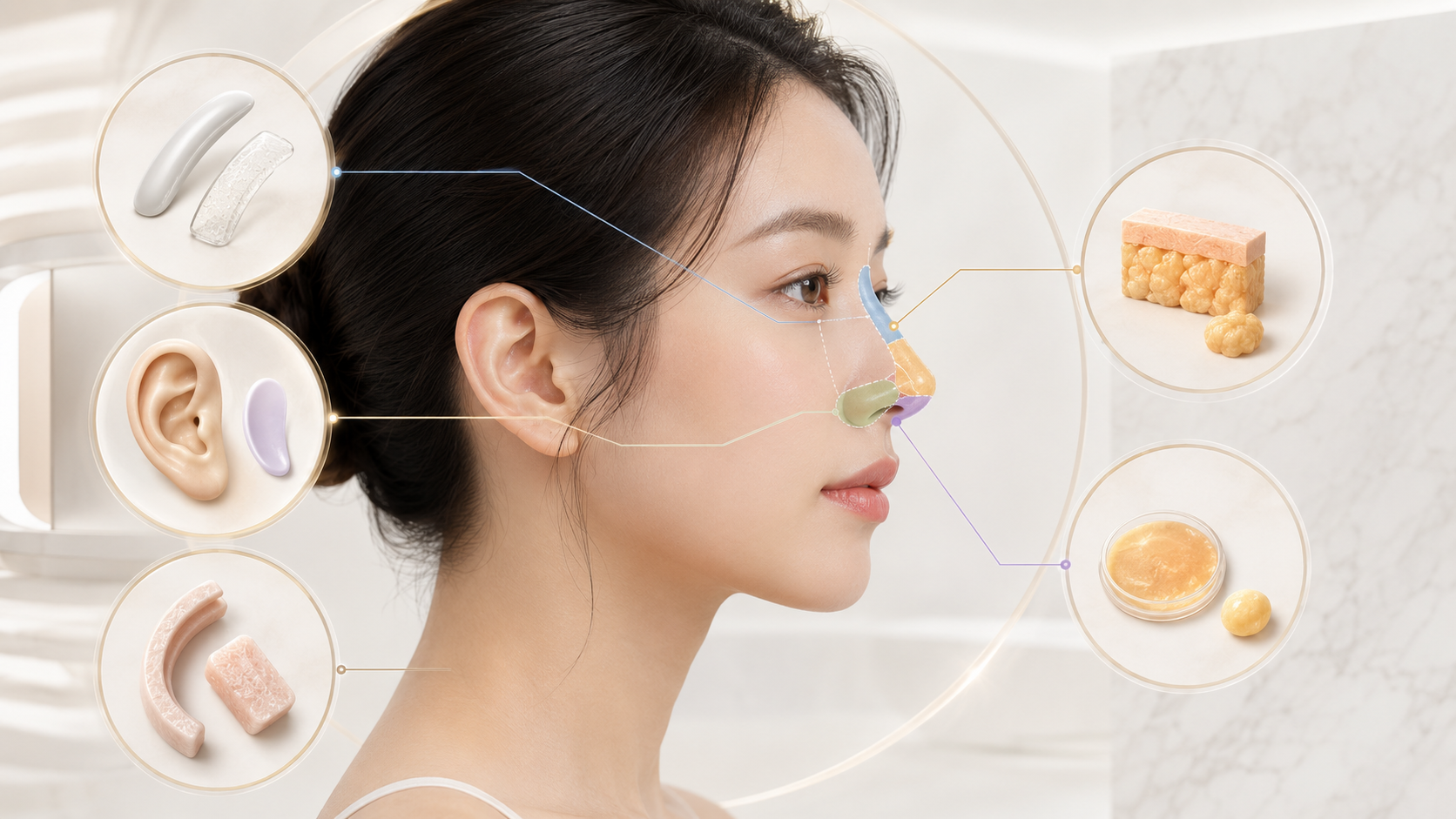
Silicone implant
An implant used stably for bridge height
Ear cartilage
Autologous cartilage suited to soft curved areas such as the tip
Septal cartilage
Autologous cartilage used to reinforce tip support and the strut
Autologous / donor rib cartilage
Considered when strong support is needed or for revision
Dermis · fat graft
Used to reinforce thin skin and add natural volume
Material choice considers not only the aesthetic result but also support and safety. The final material is decided individually after a precise diagnosis.
WHY NB
Why choose NB rhinoplasty
01
Design after whole-face proportion analysis
We don't design the nose in isolation. We analyze the proportion of eyes, nose, mouth, and chin to design a nose that harmonizes with the whole face.
02
Optimal choice of autologous cartilage + implant
Depending on the condition, we choose autologous cartilage, an implant, or a combined method. We don't insist on a single method.
03
Operated directly by a plastic surgery specialist
The doctor who designs it operates directly. The same specialist is in charge from the first consultation to the operating room, creating the intended result.
04
Principle of a natural result
Not merely a high nose or an overdone tip. We pursue a natural nose that suits your face — a change that doesn't show.

DESIGN CONSULTATION
How the height and line you want
will suit your face
The doctor directly analyzes the bridge starting point, height, tip direction, and front/side balance, and reviews the material too. We propose a direction of clear yet not-overdone change.
AFTER DESIGN
Not only the nose changes,
your facial impression is refined

Check it first with the simulator
Try the Nose Simulator →When your nose changes your confidence changes
Whole-face proportion analysis · a natural tailored design
RECOVERY
Recovery timeline
Day 1–3
Early swelling
Cold compress, rest
Week 1–2
Cast removal
Return to daily life begins
Month 1–3
Line stabilizes
Swelling subsides
Month 6–12
Final result
Result settled
RELATED CHECK
Before the consultation, check
your nose direction first
Self-diagnosis is for reference; the final judgment is decided in consultation with the doctor.
FAQ
Frequently asked questions
Q. Is raising just the bridge enough?
We keep the height you want, but raising only the bridge can make the flow with the tip and starting point look awkward. We look at the starting point, tip, and front/side balance together and decide the needed scope in consultation.
Q. Does the tip have to be done too?
It depends on the tip's condition. Sometimes the bridge alone is enough; sometimes the tip's support and direction must be seen together for a more natural result. We judge case by case.
Q. How does a natural nose differ from a dramatic one?
We respect the image you want, but NB's direction is to design the height and line so the nose doesn't stand out on its own and instead suits the whole facial midline.
Q. How is the material decided?
No single material suits every nose. We choose an implant, autologous cartilage, and so on depending on the area (bridge/tip), purpose, skin condition, and whether it's a revision. We decide together in consultation.
Q. What is examined in a rhinoplasty consultation?
We look together at the bridge starting point, height, tip projection and direction, front/side balance, and the connection with the eye, mouth, and chin lines. After a precise diagnosis, we propose an individual design.
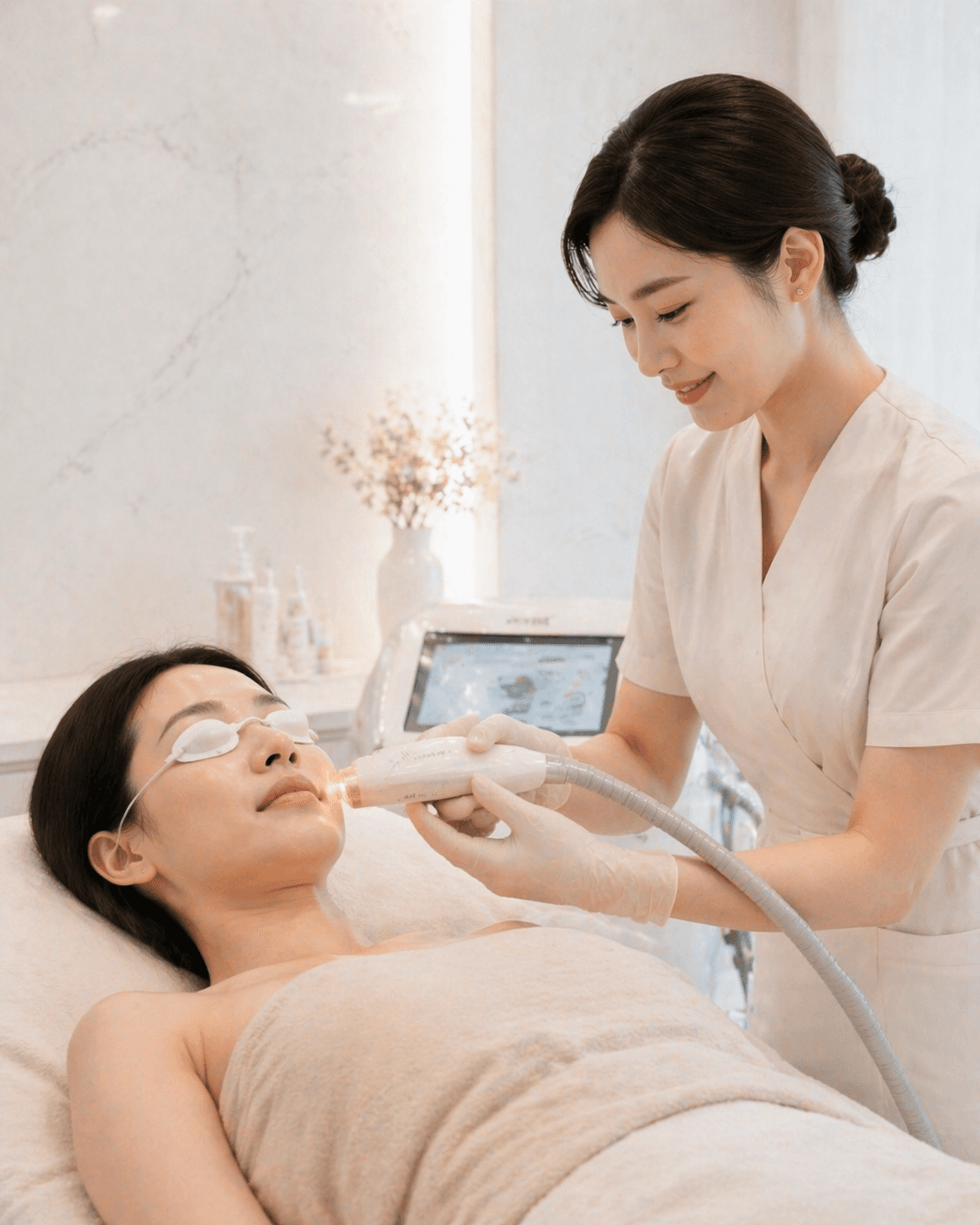
After surgery, through swelling and scar care
Included Value
Based on standard market price
- 01VersaClear light therapy2 sessions
- 02Ucell standing-wave therapy2 sessions
- 03
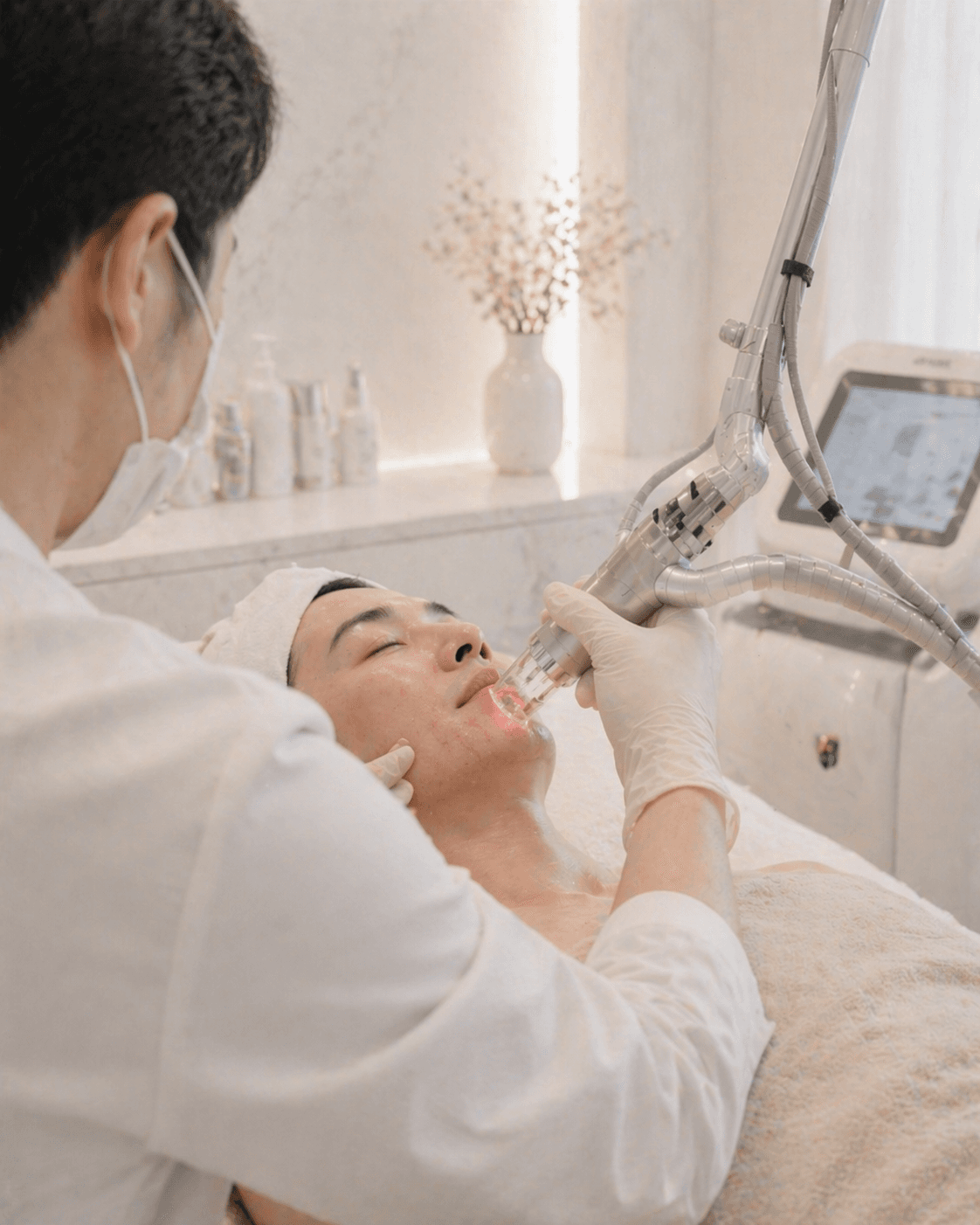 Fraxel scar laser· Performed by the doctor2 sessions
* Soft-meso injection is available if lumping occurs
Included in the surgery cost.
If additional care is needed, NB surgery patients receive a 50% discount
Legal Notice
※ If care cannot be provided due to reasons such as equipment malfunction, the affected care item may not be offered; as a service item, it is non-refundable.
※ Depending on your constitution and healing process, side effects such as swelling, bruising, inflammation, and scarring may occur after surgery.
NB RHINOPLASTY
Consult on how the nose height and line you want will suit your face
Analyzing bridge · tip · front proportion · side line together · clear yet not-overdone change · NB Plastic Surgery, Sinsa, Gangnam