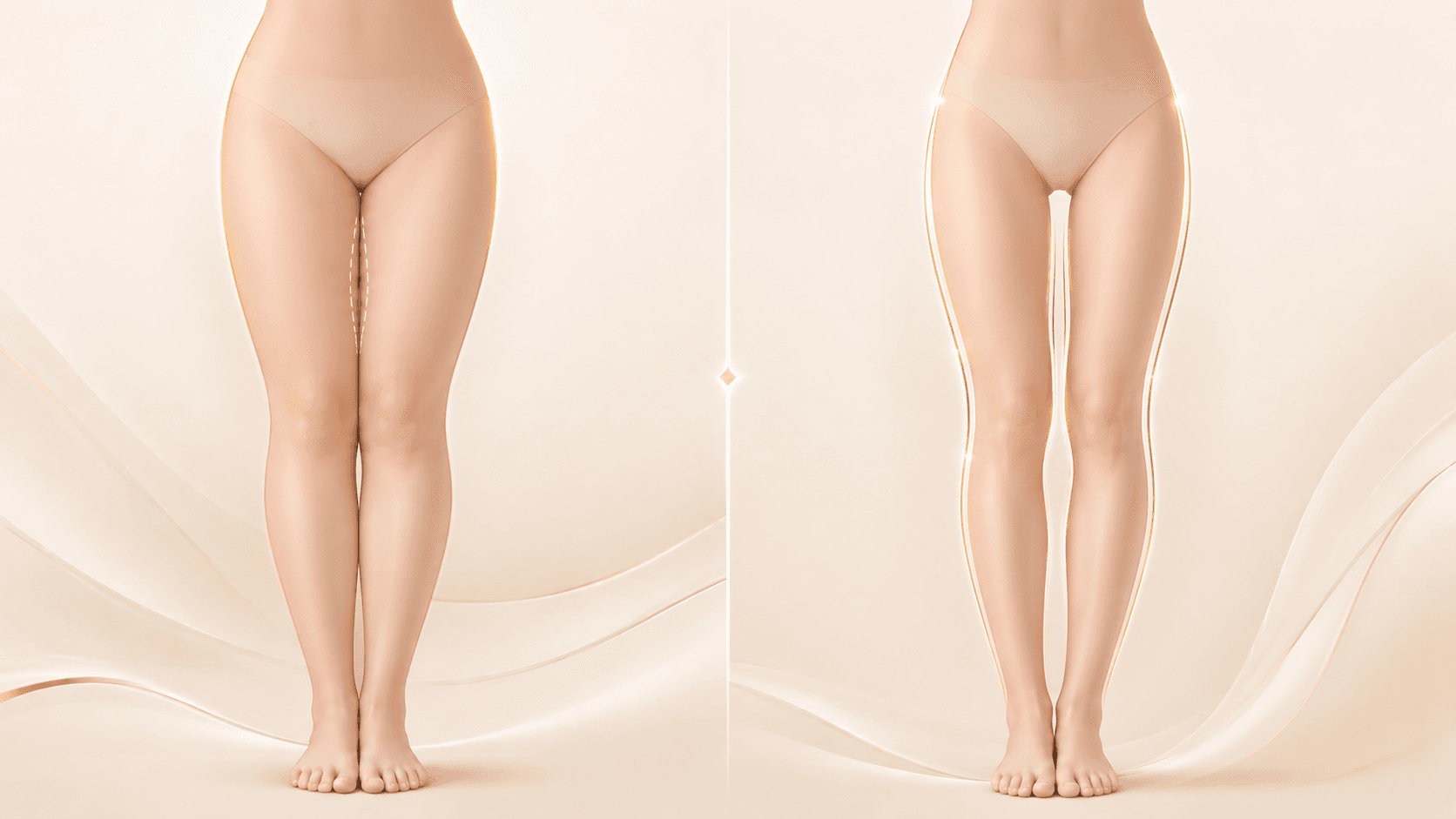
A hero image showing the thigh-gap line and the whole-leg flow

NB Inner Thigh · Flow Design

More than the inner thigh, we first look at the flow of the whole leg before anything else

A thigh gap is not a space created by removing a lot of inner fat alone. It is a lower-body design that looks at the whole-leg line together — the inner line, the above-knee flow, the hip-to-thigh connection and left-right balance.

Get a thigh gap line consultation
Integrated analysis of inner, above-knee and hipBody-contouring specialist with 25 years' experienceExperience assessing adhesion and revision cases

Self-Check

If even one of these applies, we can look at your thigh gap line planning together

Get a consultation about my thigh gap concern

If even one applies to you, a thigh line assessment can help

Even the same inner-thigh concern leads to a different design direction depending on the above-knee area, the pelvic connection and left–right balance
Book a thigh line assessment →

Why It Matters

Why removing only the inner thigh often fails to create a thigh gap

  • Even with dieting and exercise, only the inner thighs are slow to refine
  • The groin gets sweaty and chafing recurs when walking
  • The inner thighs bother you in swimwear or short trousers
  • You hesitate, worried that reducing only the inner thigh will make above the knee look awkward

A thigh gap is not a space created by removing a lot from the inner thigh; it is closer to a result that emerges after looking at the inner thigh, the above-knee area and the pelvis–thigh connection together.

Line Approach

A line seen from the inner thigh only vs a line seen from the whole-leg flow

Even with the same thigh and the same inner fat, the line turns out completely differently depending on the perspective. We have summarised the difference between reducing the inner side only and looking at the whole-leg flow.

A thigh-gap design diagram comparing an inner-focused approach with whole-leg flow design
Inner-Only View

When only the inner thigh is seen

  • A simple approach assuming that removing more inner fat creates space
  • Does not consider the connection with the above-knee flow
  • Misses the analysis of the hip-to-thigh start
  • Does not reflect left-right differences in thickness and muscle
  • Evaluation is insufficient when there is sagging or adhesion
Whole-Leg Flow

When the whole-leg flow is seen

  • Analyzes the inner thigh, above-knee and hip connection at once
  • Evaluates the thickness difference across the four thigh surfaces together
  • Looks at the under-buttock line and the start connection together
  • Compares and plans left-right asymmetry at the level of the leg
  • Assesses prior procedure history and adhesion status as well

"How the whole-leg flow will connect" comes before "how much to remove from the inner side"

Design Principle

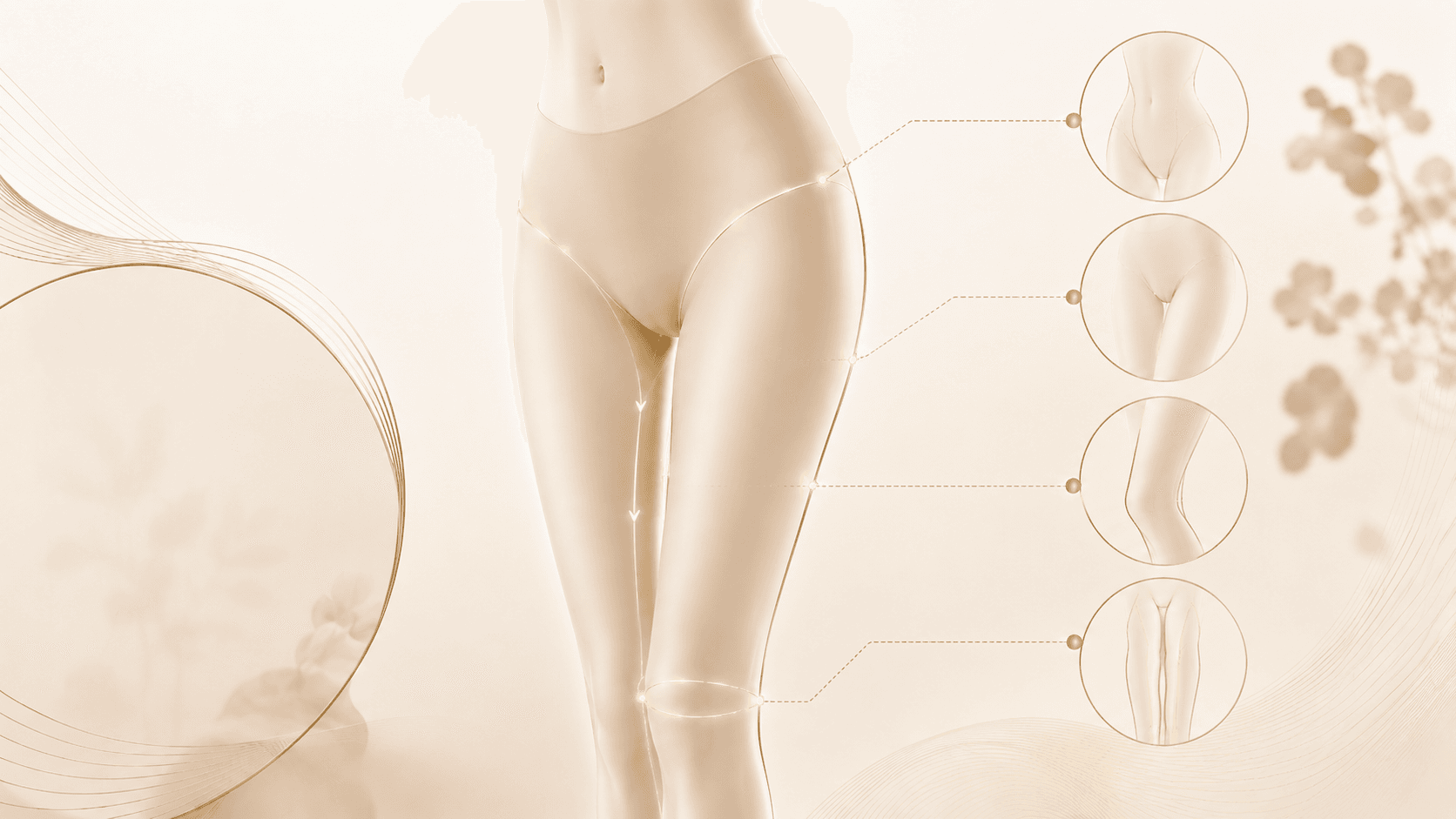
A thigh gap is designed by looking at five lines together

We do not look at the inner side as a single plane. The inner line, the above-knee flow, front and back thickness, the connection with the pelvis and left–right balance all have to be seen together for the whole leg to connect naturally.

  • 01Inner thigh line

    After precisely assessing the thickness and position of the medial fat layer, we draw the line for how far and how much to refine. It is not simply removing a lot, but the work of creating a flow.

    Medial thicknessFat layer distributionLine start and end
  • 02Above-knee finishing

    Removing only the inner thigh strongly can make above the knee stand out relatively. We look at the above-knee flow together and design it so the thigh falls smoothly toward the knee.

    Above-knee thicknessThigh-to-knee connectionSide flow
  • 03Front and rear thickness balance

    The thigh is a three-dimensional structure where the inner, outer, front and rear surfaces all move together. Reducing only the inner side can make the front-rear thickness difference stand out, so we look at the balance between the surfaces together.

    Front thicknessRear thicknessSurface transition line
  • 04Hip-to-thigh connection

    The connecting line where the thigh start meets the hip and under-buttock determines whether the leg looks long. If the connecting area is broken, the space can look awkward even when the inner gap is created.

    Hip widthUnder-buttock lineThigh start
  • 05Left-right balance

    The fat distribution and muscle development of the left and right thighs are often not the same. Looking at only one side as the reference can leave the two out of alignment, so we compare both legs together in planning.

    Left-right thickness differenceMuscle development differenceSymmetry line

The actual design scope can differ depending on individual body type, fat layer thickness, muscle development and prior procedure history.

A thigh-gap line design diagram explaining the connection between the inner thigh and above the knee

Structural Zones

Four structural factors that influence a thigh gap

The space between the legs is not determined by inner fat alone. Pelvic-floor width, pelvic-floor muscles, the under-buttock line and the position of the pubic area can all have an influence, so we check them together at the assessment stage.

01

Pelvic-floor width

The width of the pelvic floor (perineum) needs to be sufficient to form the basic structure that can create inner space. If the width is narrow, the sense of space can look different even when the same amount is removed.

  • Skeletal width
  • Basic structure
  • Space possibility

02

Pelvic-floor muscle support

The impression of the inner space can vary depending on how well the pelvic-floor muscles support the pubic area and the structures within the pelvis.

  • Muscle support
  • Structural stability
  • Line maintenance

03

Under-buttock line

When the under-buttock sags, the space above the thigh start looks filled in. The clearer the under-buttock line, the more the inner flow comes alive.

  • Under-buttock sag
  • Under-buttock thickness
  • Thigh start

04

Pubic-area position

The volume and position of the pubic area can also influence the impression of the groin space. When needed, it is considered together with the feminine line.

  • Volume
  • Position
  • Feminine line link

The four factors carry different weight from case to case. Priorities and scope can change after an actual assessment, and not every factor becomes a target of the procedure.

An inner-thigh type self-check tool image

Body Design Finder

My inner thigh concern — which type is it closest to?

An inner-fat-centered type, a complex type where above-knee and under-buttock are also involved, and a structural-analysis type where pelvic structure and prior procedures play a role — the design direction can differ by type, so organizing your own type before consultation helps.

Inner-fat-centered typeAbove-knee involved typeUnder-buttock involved typePelvic-structure influenced typePrior-procedure / suspected-adhesion typeLeft-right asymmetry type

The online assessment is not a definitive medical diagnosis but a guide tool to organize your own inner thigh concern type before consultation.

Check my thigh type

Why NB

Why we design by the whole-leg flow

A thigh gap is not the work of emptying a space, but the process of designing the flow of the whole leg

01

Whole Leg Flow

Whole-leg flow analysis

We do not look only at the inner thigh. We analyze the whole-leg flow together — the inner thigh, above the knee, the hip-to-thigh connection and left-right balance.

02

Layered Design

Layer-by-layer precise design

The medial fat layer differs in thickness by position and thins out toward above the knee. We design the depth and range differently by area.

03

Hip-Thigh Connection

Consideration of the hip-to-thigh connection

Drawing on our experience with Heoeongmu (thigh, under-buttock, knee) integrated design, we ensure the whole-leg line continues naturally in the process of creating a thigh gap.

04

Surgeon-Led

Direct analysis and surgery by the specialist

Body line design calls for different judgment in each case. A body-contouring specialist with 25 years' experience personally analyzes, designs and operates.

Type → Plan

The design differs by type

Medial thigh fat typeThe inner thigh fat is thick · The pelvic width is fairly sufficient · The under-buttock and above-knee are relatively tidy

Type A

Design direction

We center on precise suction of the inner line and look at the above-knee flow together.

Request a consultation →

Complex line typeThere is inner fat along with above-knee or under-buttock involvement · The thighs spread sideways when sitting · The overall sense of leg thickness bothers you

Type B

Design direction

We design the inner thigh, above-knee and under-buttock lines in an integrated way.

Request a consultation →

Type needing structural analysisThe inner thigh is not especially thick, yet the space between the legs looks closed · A sense of narrow pelvic width or accompanying under-buttock sag · There is a prior procedure history

Type C

Design direction

We precisely analyze the pelvic-floor structure, under-buttock and prior procedure history, then decide the direction.

Request a consultation →

Even for the same "thigh gap", the whole-leg line is drawn differently in each case

Design Process

Four steps to design the thigh gap line by the whole-leg flow

This is not simply a matter of removing a lot from the inner side. Following the order of assessment → line mapping → layer-by-layer precision liposuction → left–right balance finishing, we apply a different design perspective at each stage so that the whole-leg line connects naturally.

STEP 1

Diagnosis

Precise leg line assessment

We assess the whole leg — the inner fat layer, above-knee thickness, pelvic width, under-buttock line, left-right asymmetry and prior procedure history.

STEP 2

Line Mapping

Thigh gap line mapping

We map the inner line for how far, how much and at what depth to refine, and draw the above-knee finishing and the hip connection points together.

STEP 3

Sculpting

Layer-by-layer precise suction

We design the suction range and depth differently according to the medial fat layer thickness. We refine it so the inner flow falls naturally toward above the knee.

STEP 4

Balance Finish

Left-right balance finishing

We finish while comparing both legs together. Reflecting left-right differences in thickness and muscle, we adjust the line so it continues as a matched pair.

Expected Lines

Line changes you can consider from a design perspective

These items are not intended to guarantee results; they are guidance summarising what line changes are typically observed in a design that considers the whole-leg flow together.

Inner line refinement

A flow where inner chafing eases when walking

Above-knee finishing

A line that falls smoothly from thigh to knee

Hip-to-thigh connection

A flow where the leg start continues without breaking

Front and rear thickness balance

A three-dimensional leg line even seen from the side

Left-right balance

A proportion where the two legs continue as a matched pair

Clothing line refinement

A silhouette that falls cleanly in trousers, skirts and swimwear

Actual line changes can differ depending on fat layer thickness, muscle development, pelvic structure, skin elasticity and prior procedure history, and the same result is not guaranteed in every case.

Related Designs

Lower-body line designs to consider together

Case Review

Even similar thigh concerns can call for a different design

Inner fat thickness, above-knee flow, pelvic width, under-buttock line and prior procedure history can look similar on the outside yet call for a different approach. Referring to cases with similar concerns can help you make your own direction more concrete before consultation.

  • Inner-fat-dominant cases
  • Cases with above-knee involvement
  • Cases with under-buttock involvement
  • Cases influenced by pelvic structure
  • Cases revising a previous procedure
  • Left–right asymmetry cases

Cases are not material to guarantee results but reference material to understand thigh line types and design directions. The actual plan may change after consultation and assessment.

A thigh-line case review consultation image
A lifestyle image showing the inner-thigh line and lower-body balance
Inner Thigh · Flow

A line that appears when the whole-leg flow is refined first, rather than by emptying the inner space

The line revealed when walking, when sitting and when dressedNB Inner Thigh · Whole-Leg Flow

Why Trust NB

NB's approach to the thigh line

Integrated analysis of inner, above-knee and hip connectionDirect care and design by a body-contouring specialistExperience assessing prior-procedure and adhesion casesPost-surgery aftercare and compression guide included

Days made uncomfortable by inner chafing every summer

Daily life where the inner thigh feels much easier when walking

Moments of hesitating over tight trousers and short skirts

A flow where clothing lines fall naturally

Times when posture felt awkward from worrying only about the inner thigh

A look where the whole-leg flow is refined

Memories of the inner thigh bothering you in swimwear and on holiday

A line that makes summer activities feel lighter

Recovery & Care

The inner thigh and above-knee line refine through the recovery process

The inner thigh, above the knee and around the under-buttock are areas with a lot of movement and friction, so swelling and bruising can appear, and compression and aftercare may be needed for the period advised.

Day 1–3

Compression garment worn, walking possible; care for inner-thigh chafing areas

Week 1

Return to daily life; avoid long-distance walking and intense exercise

Month 1

Swelling decreases; the inner and above-knee line contours begin to show

Month 3

The line settles; final refinement needs more time

01

Compression guide

To stabilize the inner and above-knee line, compression stockings or a compression garment may be needed for the period advised.

02

Swelling and bruising

The inner thigh and above the knee are areas with a lot of movement, so early swelling and bruising can appear, and the swelling may look as if it moves downward.

03

Radiofrequency aftercare

To support tissue recovery and ease firmness, aftercare programs such as radiofrequency can be combined step by step.

04

Walking and exercise regulation

It is good to adjust long-distance walking, strenuous exercise and strong stretching step by step while watching your recovery.

05

Skin elasticity and sagging

The speed and pattern of line refinement can vary depending on skin elasticity, cellulite and any prior adhesion.

06

Individual variation

The recovery process and final line vary by individual depending on fat layer thickness, muscle development, pelvic structure and the scope of surgery.

The content above is general recovery guidance, and the actual management plan and recovery period may vary by the scope of surgery and individual recovery status.

FAQ

Frequently asked questions before a thigh gap line consultation

The inner thigh line can call for a different approach depending on individual fat layer, above-knee flow, pelvic structure and prior procedure history, so it is important to check the range and limits together before consultation.

Can anyone get a thigh gap?

The degree to which it is possible can vary depending on pelvic width, pelvic-floor muscle support, any under-buttock and pubic-area sagging, and the state of the inner fat layer. Even with the same inner fat, a different structural condition changes the approach, so a direct assessment is needed.

Does suctioning only the inner thigh create a thigh gap?

When there is a lot of inner fat and the structural conditions support it, inner suction alone may produce a change. However, because the above-knee flow, under-buttock and pelvic width also play a role, an approach that looks only at the inner thigh can have limits.

Won't removing a lot from the inner thigh make the legs look bent?

Removing only the inner thigh excessively can make above the knee stand out or the leg line look awkward, so it is important to design the range while looking at the inner, above-knee and front-rear thickness together.

Does above the knee need to be seen too?

The inner thigh flow finishes above the knee. Evaluating the above-knee thickness and degree of sagging together lets us design the whole leg to continue more naturally.

Can a thigh gap be created even if the under-buttock sags?

When under-buttock sagging is involved, inner suction alone can have limits, so under-buttock line correction or a lifting procedure can be considered together. The direction may vary depending on the case.

Does creating a thigh gap reduce chafing when walking?

Many people find friction eases when walking once the inner fat is refined, but how much you feel varies by individual depending on body type, posture and lifestyle habits.

Can it be done together with Heoeongmu (thigh 360°)?

The thigh 360° flow and thigh gap design are connected to each other. It can proceed as an integrated design that looks at the inner, front, rear, above-knee and under-buttock at once.

Is it possible even if I have had inner suction before?

When there is adhesion, fibrosis or unevenness from a prior procedure, the approach can vary, so we decide the direction of revision or line correction after assessment.

This content is general guidance and does not replace medical care. The actual scope and method of surgery are decided after consultation and assessment.

NB liposuction aftercare
NB After Care
NB AFTER CARE

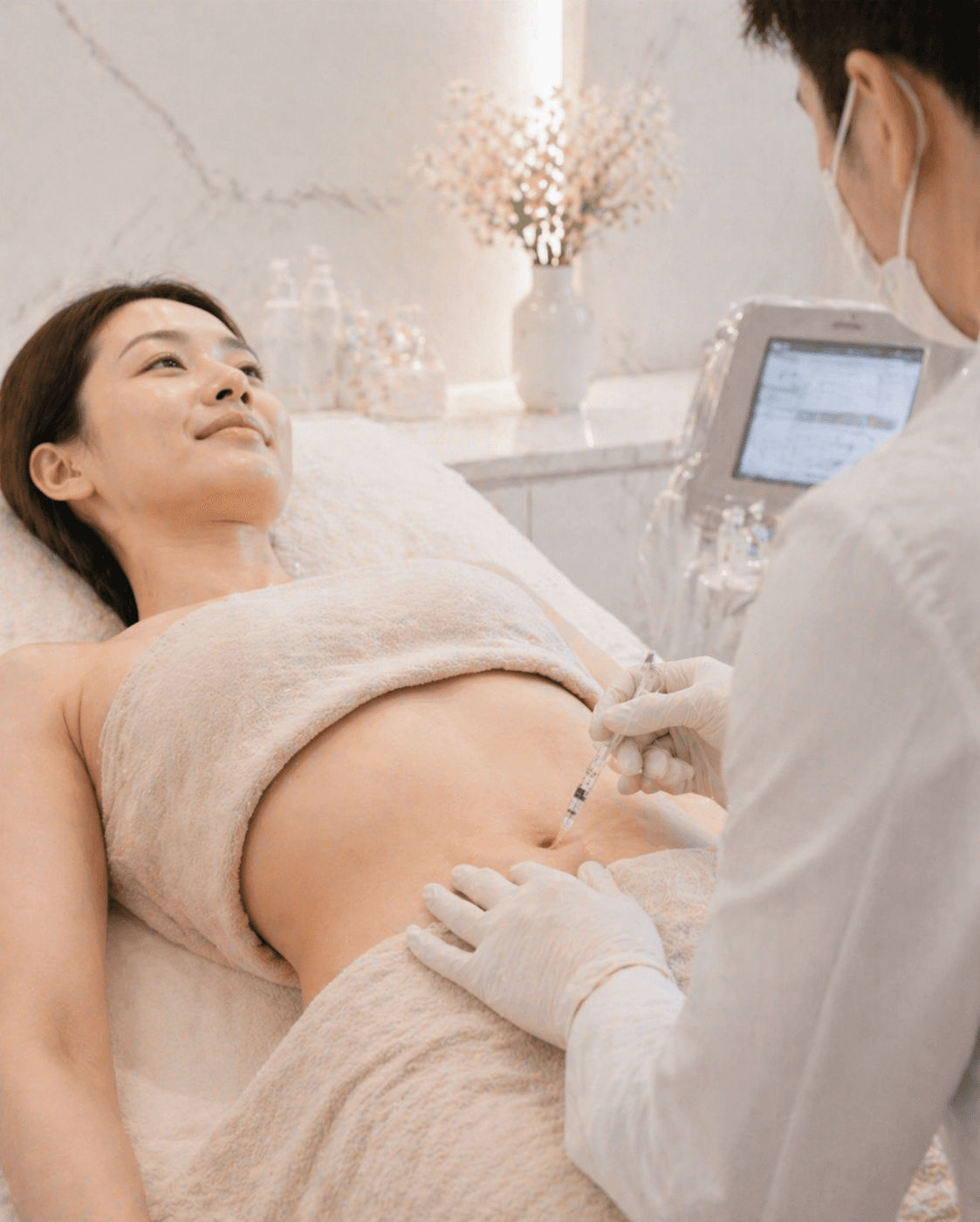
After surgery, with you through recovery

  • 01
    VersaClear light therapy
    2 sessions
  • 02
    Ucell standing-wave therapy
    2 sessions
  • 03
    Radiofrequency care
    4 sessions
  • 04
    Soft-meso injection procedure
    Soft-meso injection· Performed by the doctor
    2 sessions
  • 05
    Fraxel scar laser procedure
    Fraxel scar laser· Performed by the doctor
    2 sessions

Basic aftercare is provided as a standard programme of 12 sessions in total — 4 swelling-care, 4 radiofrequency, 2 scar-laser and 2 meso-injection sessions. Actual scheduling and completion may vary depending on your ability to attend.

If care is needed beyond the basic aftercare, NB surgery patients receive a 50% discount on the standard price.

Legal Notice

If care cannot be provided due to reasons such as equipment malfunction, the affected care item may not be offered; as a service item, it is non-refundable.

Depending on your constitution and healing process, side effects such as swelling, bruising, inflammation, and scarring may occur after surgery.

NB Inner Thigh · Flow Design

Rather than surgery that only removes a lot from the inner thigh, have a thigh gap line design seen together by the whole-leg flow

See for yourself the design direction that suits your own thigh line
NB Plastic Surgery · Sinsa, Gangnam
02-3446-7575 · 02-3446-9009

02-3446-7575 · 02-3446-9009

Chat on WhatsAppQuick ConsultationKakaoTalk