
Donor
Fat Available for Harvest
The amount and distribution of fat available from the abdomen, flanks, thighs and other areas are assessed together.
Body Design · Breast
Breast fat grafting using your own fat. Volume and shape can be designed without implants.
Book a Breast Fat Grafting ConsultationWhat matters more than size is natural volume and the balance of the whole body
Natural volume design that considers donor areas, upper body volume, waist-chest-pelvis proportion and fat survival togetherAbout Breast Fat Grafting
Fat is harvested from areas you would rather reduce, such as the thighs or abdomen, and grafted to the breast. It builds natural volume and shape without placing an implant, and the liposuctioned areas can see line improvement at the same time.
Natural Volume Design
A natural volume plan that considers the upper pole, inner volume, lower curve, left-right balance and how clothes sit. The fill volume and flow for each zone are reviewed case by case.
01
Upper Pole Volume
We look at where and how much to place so the upper chest below the collarbone does not read as hollow.
02
Inner Volume & Cleavage
Donor sites and graft placement are planned together so inner volume gathers softly.
03
Lower Curve & Side Volume
We follow the flow of the curve so the lower pole and side line continue naturally.
04
Left-Right Balance
Differences between sides are assessed so graft volume and placement can be designed differently for each.
The range of zone-by-zone volume design can vary with breast tissue room, skin elasticity and the amount of fat available for harvest, and is decided after examination and consultation.

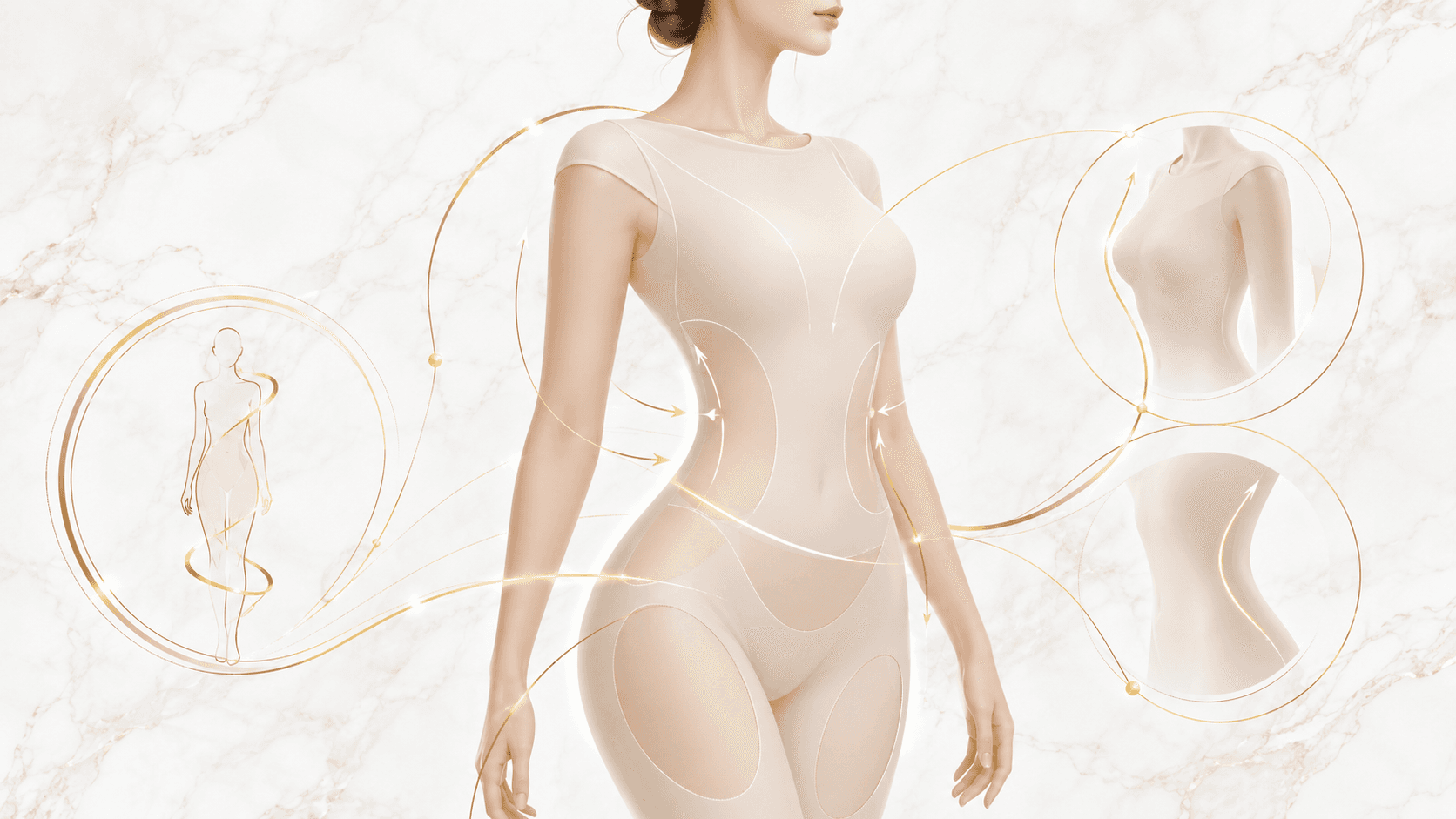
Donor & Body Balance
We identify which areas — abdomen, flanks, thighs — can be harvested, and approach it as body design, viewing donor-area line improvement together with breast volume balance.
01
Abdomen & Flanks
Commonly considered donor areas, where line improvement after harvest is reviewed as well. The range available for harvest can vary with fat layer thickness and distribution.
02
Inner & Front Thigh
The thigh line may be considered as a donor area. Leg line improvement and breast volume balance are viewed together.
03
Whole-Body Proportion
Donor and graft areas are planned at the same time, from the perspective of the waist-chest-pelvis proportion as a whole.
Which areas can be harvested and how much can vary with fat distribution, skin elasticity and body condition; the available range is explained after examination.
Surgeon Consultation
At NB Plastic Surgery, breast fat grafting is planned from the surgeon consultation onward, with volume, donor areas and body balance considered together. A consultation is not a place where an outcome is promised; it is time to organise the direction for natural volume and how clothes will sit.
Donor
Fat Available for Harvest
We check together where and how much can be harvested from the abdomen, flanks, thighs and other areas.
Goal
Upper Body Volume Goal
The volume you have in mind, your upper body proportion and how you want clothes to sit are organised together at the diagnosis stage.
Lines
Waist, Abdomen, Flank & Thigh Lines
Possible line improvement at the donor area and the flow of breast volume are viewed at the same time.
Tissue
Skin Elasticity & Tissue Room
The volume range possible in a single session varies with skin elasticity and the room available in breast tissue.
Plan
Fat Survival & Staged Planning
Considering fat survival and tissue room, we review together whether to place volume in one session or proceed in stages.
Detail
Side Differences & How Clothes Sit
For left-right balance and a natural look in clothing, fill volume and direction are designed differently for each zone, case by case.
Consultation outcomes and the available range can vary with individual condition. This content is general guidance and does not replace medical care.

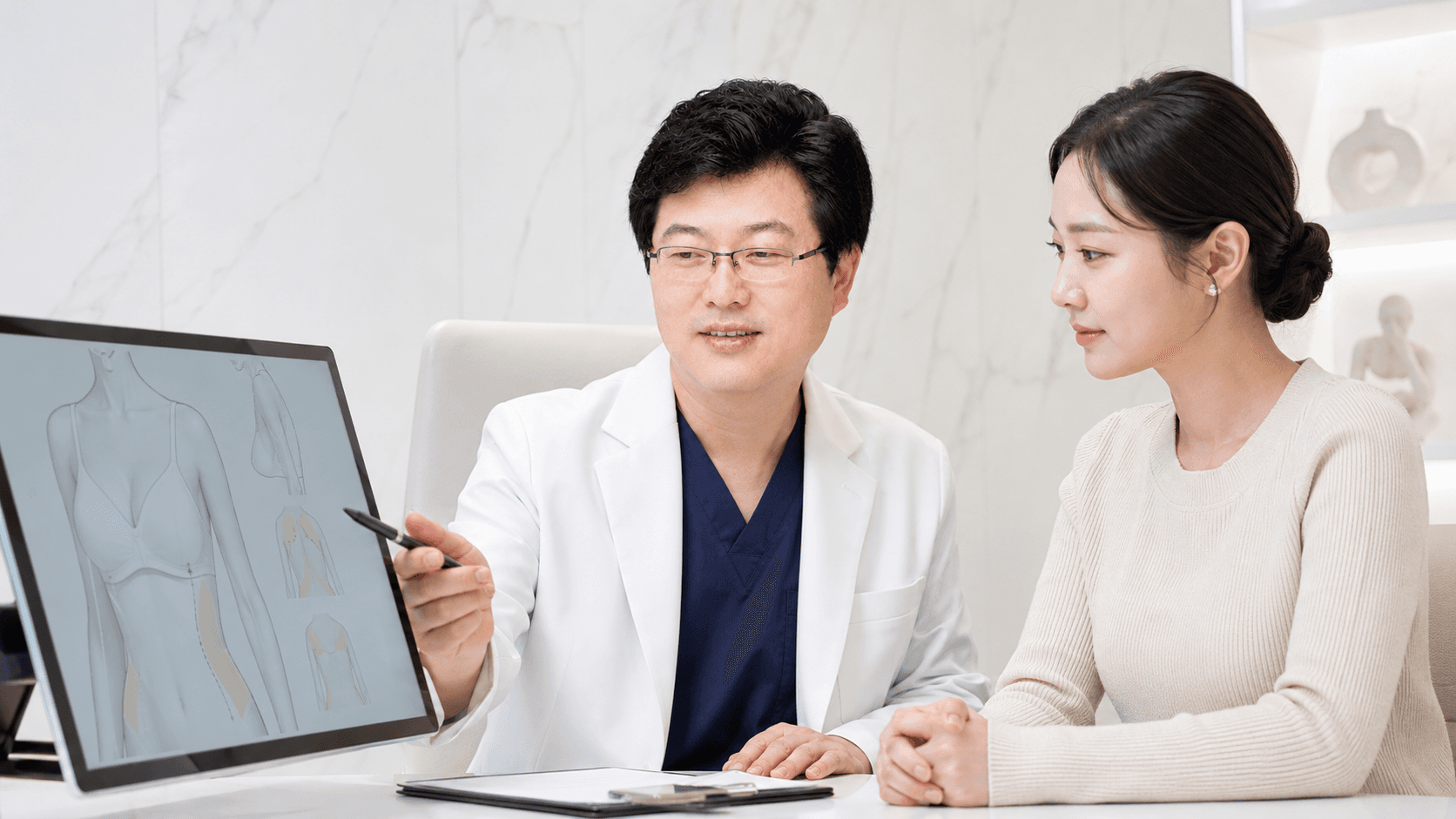
NB Consultation · Body Balance Plan
Survival & Staged Plan
Survival rate and volume change vary between individuals, and results can differ with fat quality, tissue condition, skin elasticity and the recovery process. A staged approach is reviewed together.
The degree of fat survival and the final volume can vary with individual condition. This content is general guidance and does not replace medical care.
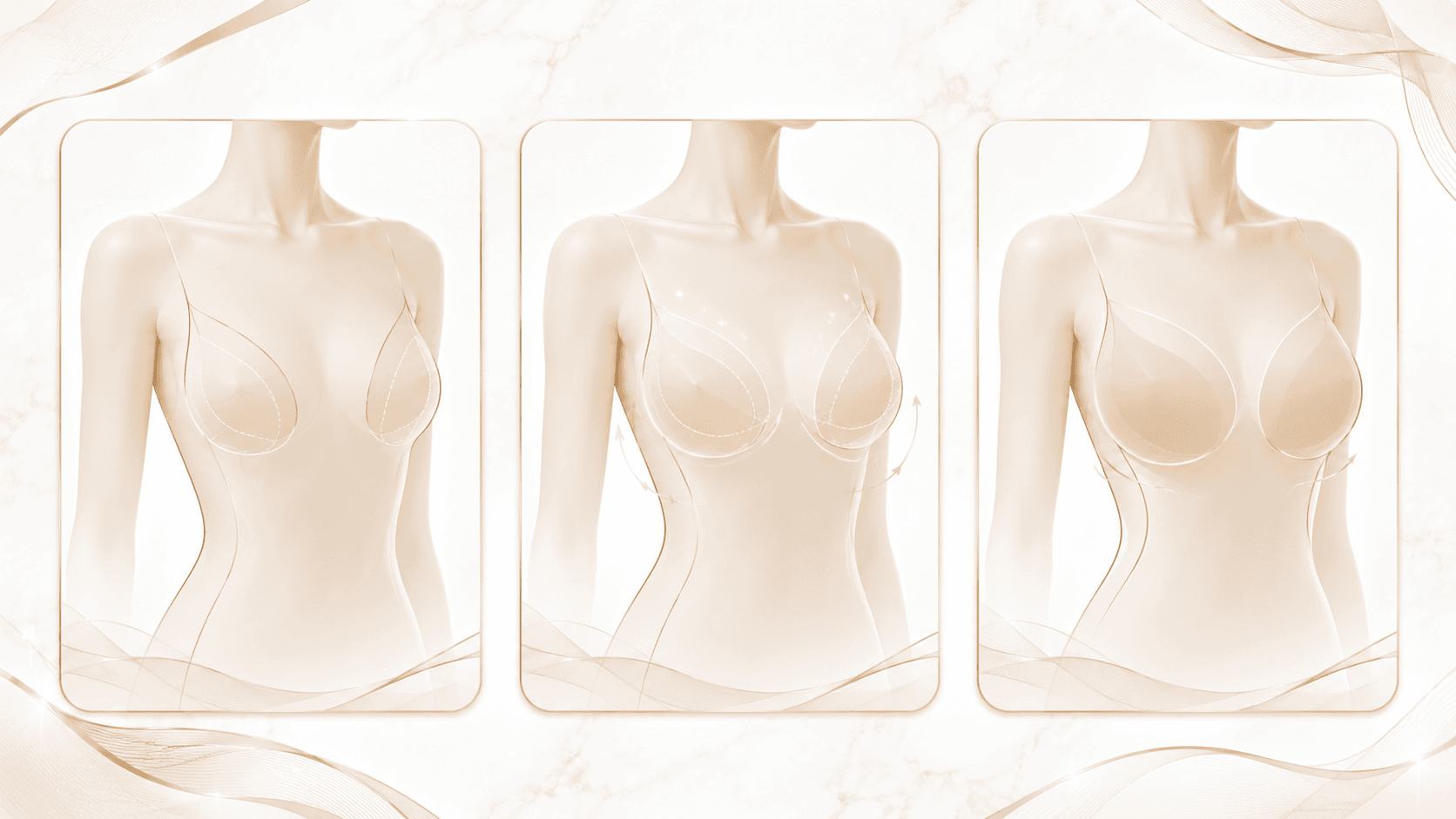
Procedure Types
Diagnosis Planning
Even with the same volume concern, the approach can differ with the fat available for harvest, skin elasticity, tissue room and chest wall shape. These are the eight assessment items reviewed together at the diagnosis stage.
Donor
The amount and distribution of fat available from the abdomen, flanks, thighs and other areas are assessed together.
Skin
We check the elasticity and stretch capacity of breast skin, and the tissue condition that will support the volume.
Tissue
The volume range possible in a single session can vary with the tissue space available for grafting.
Frame
Volume placement and line design differ with chest wall shape and breast width.
Symmetry
Differences in size and shape between sides are assessed, and graft volume and placement adjusted.
Goal
The volume you have in mind, your upper body proportion and how you want clothes to sit are set together.
Survival
Fat quality and tissue condition are reviewed to consider the range of survival that may be possible.
History
Previous breast or fat-related history can affect the approach, so it is checked together.
The items above are general guidance on diagnostic assessment; the actual surgical plan and available range can vary with individual condition after examination.

The way clothes sit, and the confidence natural volume brings
The upper body flow that shows in knitwear, blouses, dresses and gownsNatural Volume · Body Balance · Donor HarmonyRecovery & Care
After breast fat grafting, swelling and bruising, donor area recovery, care with pressure on graft areas and survival care all proceed together. Volume change varies between individuals, so following the recovery guidance matters.
Day 1–3
Swelling and bruising; care with pressure on graft areas, posture guidance begins
Week 1–2
Return to daily life begins; guidance on compression garments for donor areas
Month 1
Swelling subsides and the flow of volume begins to settle
Month 3+
Fat survival settles; the final volume may need more time
01
Swelling and bruising can occur early on and settle in stages as time passes.
02
Care with posture and clothing is needed so that excessive pressure is not applied to grafted areas.
03
Donor areas such as the abdomen, flanks and thighs need compression garments and line care together.
04
How grafted fat settles can vary through the recovery and care stages, so it is best to follow the guidance given.
05
The degree of fat survival and the final volume can vary with individual conditions such as fat quality, tissue condition and skin elasticity.
06
During recovery, daily habits are adjusted for a period so that excessive pressure or strain is not placed on the breasts.
The recovery guidance above is general. Actual recovery pace and how volume settles can vary with donor areas, graft extent and individual healing.
FAQ
Even with the same volume concern, the answer can differ with breast tissue room and what can be harvested. The content below is general guidance and does not replace medical care.
Q. How long does grafted fat last?
The degree of survival varies between individuals depending on fat quality, tissue condition, skin elasticity and the recovery process. It is difficult to give a single figure, and settling takes place over several months. At NB, the possible range is explained together after examination.
Q. Where is the donor site fat taken from?
Fat is mainly harvested from areas with sufficient volume, such as the abdomen, flanks, thighs and buttocks. The donor site is chosen with line improvement in mind as well, and can vary with individual body shape.
Q. How is fat grafting different from implants?
Implants create volume in a set shape, while fat grafting builds natural volume and flow with your own fat. The available range and the suitable direction can vary with breast tissue condition, the fat available for harvest and the volume you want, and are decided after examination and consultation.
Q. Can I reach the size I want in one session?
The volume possible in one session can be limited by breast tissue room and the fat available for harvest. Rather than overfilling from the start, planning in stages around fat survival and tissue room stays closer to a natural result.
Q. Is it possible if I am slim?
The available range can vary with the fat available for harvest and tissue room. For a slim build, the volume possible in one session may be limited; suitability and an appropriate range are reviewed together after examination.
Q. Can the volume decrease?
Some fat can be absorbed during the survival process, so there may be a change from the initial volume. The degree and timing can vary with individual condition, and a staged approach may be considered.
Q. Can it be combined with liposuction?
An approach that refines the line at the donor area while planning breast volume at the same time can be reviewed. Whether and to what extent they can be combined is decided by assessing body shape, fat volume and the burden on recovery together.
Q. Can it look natural?
NB Plastic Surgery prioritises natural flow and upper body proportion over size. We approach it as natural volume design, viewing the upper pole, inner volume, lower curve and left-right balance together.
Q. When can I exercise after surgery?
Light walking may be encouraged soon after surgery, while vigorous exercise that puts pressure on the chest is advised only after a set period. Recovery pace varies between individuals and is explained at the time of examination.
Q. Does it affect breast cancer screening?
After fat grafting, calcification of fat cells can appear as an unusual finding on mammography. Please inform your medical team of your procedure history before screening.
Q. Will I still be able to breastfeed?
In general it does not affect the ability to breastfeed. If you are planning a pregnancy, please mention it during your consultation.
This content is general guidance and does not replace medical care. The actual available range and recovery plan are decided after examination and consultation.
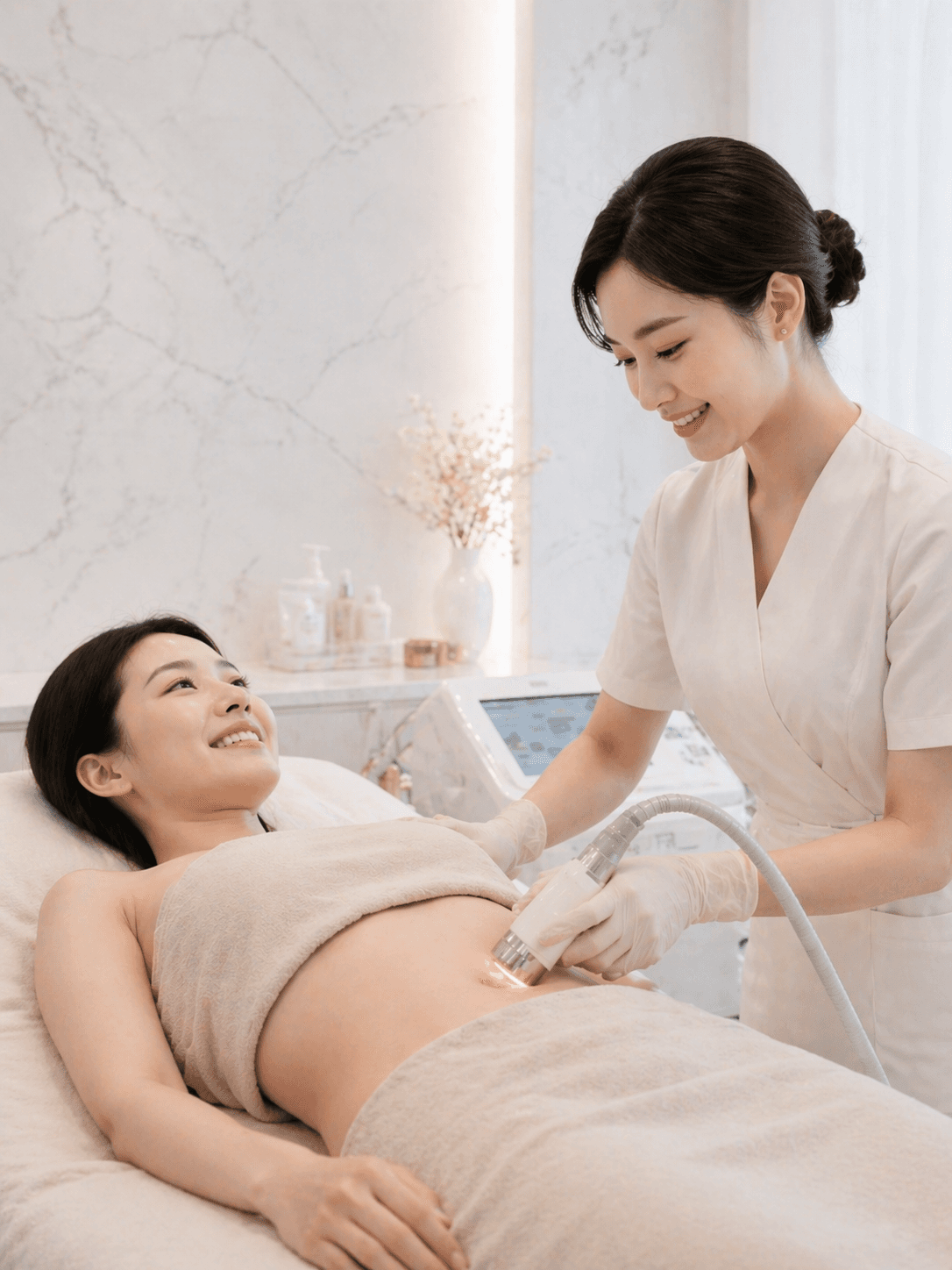
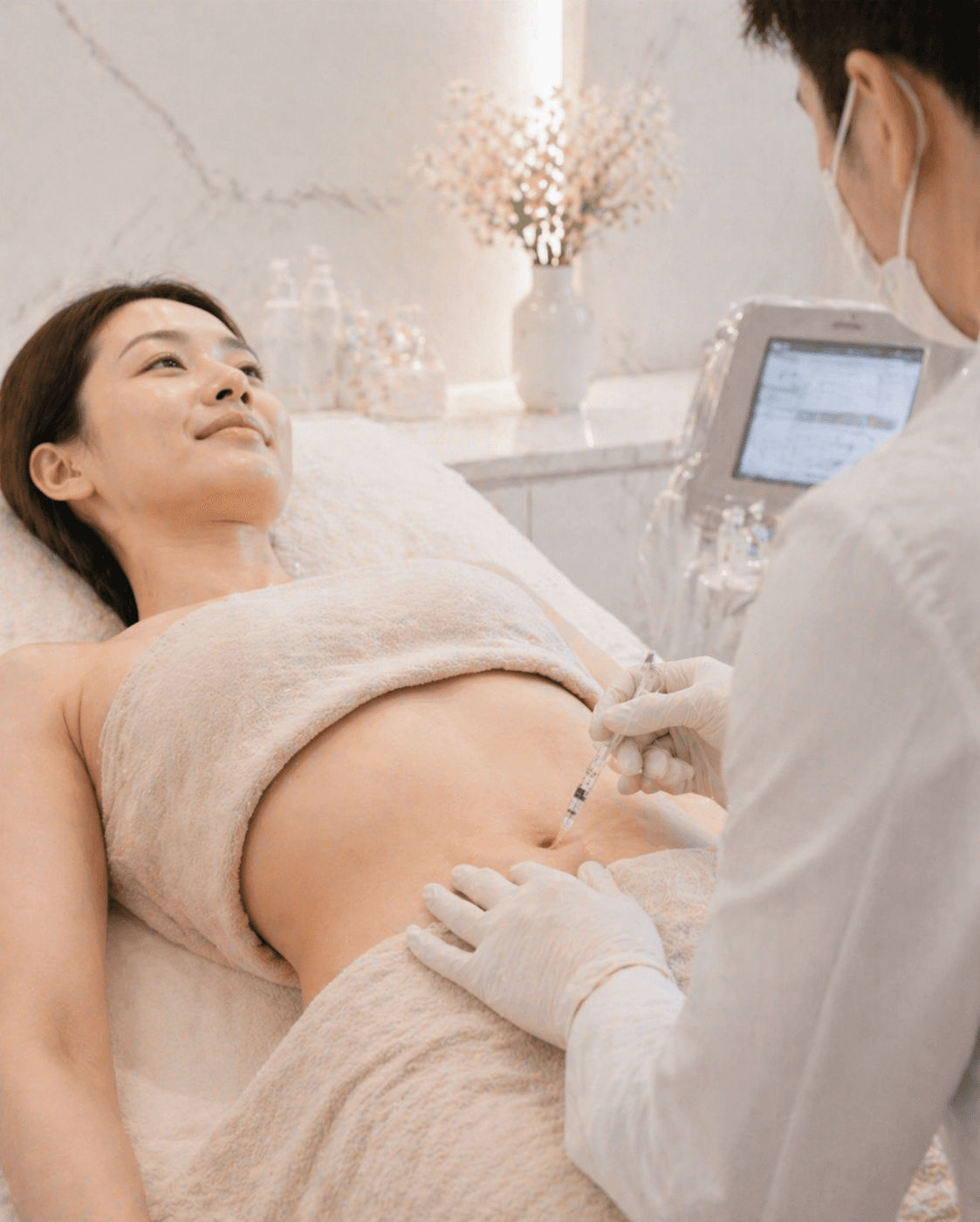
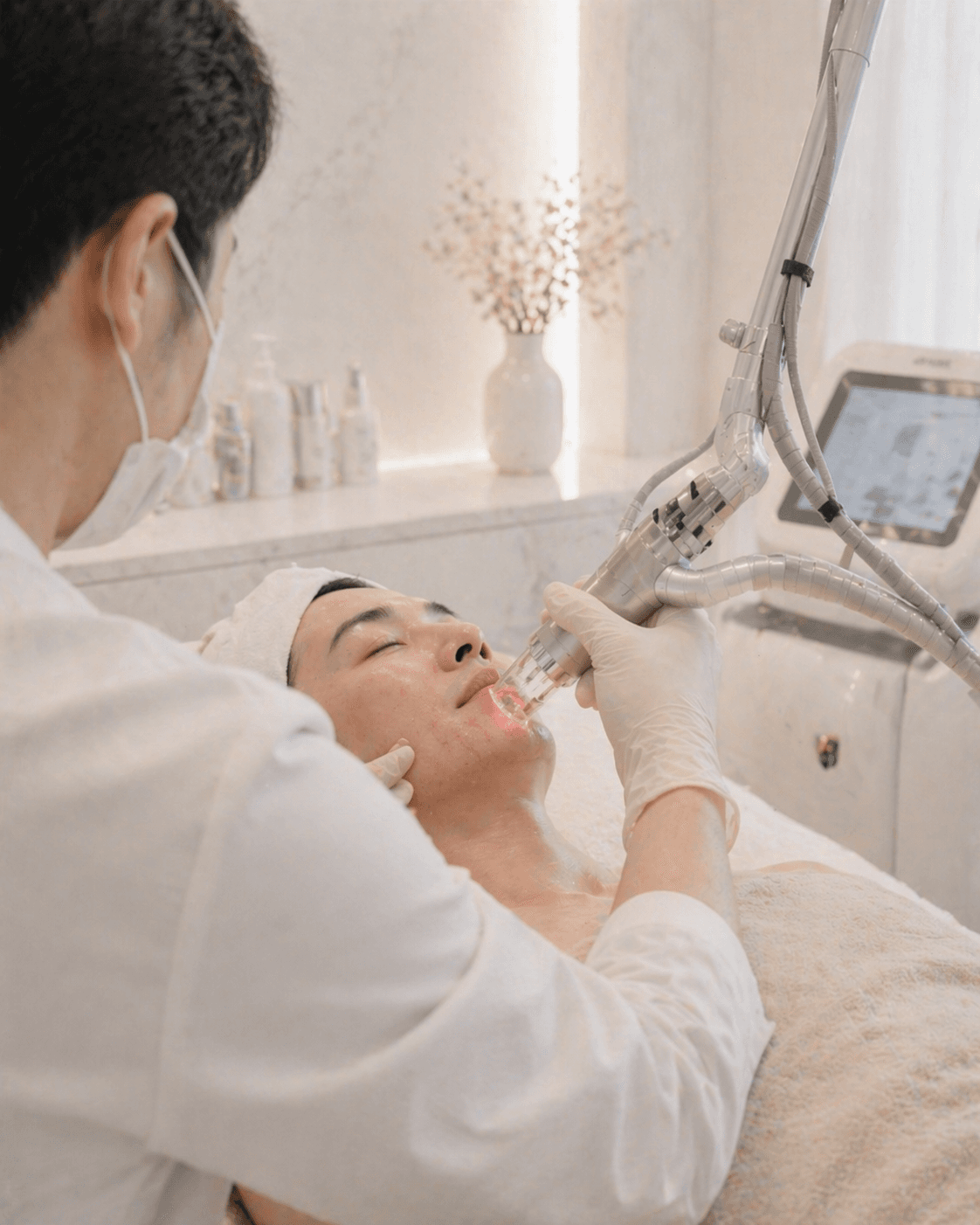
Basic aftercare is provided as a standard programme of 12 sessions in total — 4 swelling-care, 4 radiofrequency, 2 scar-laser and 2 meso-injection sessions. Actual scheduling and completion may vary depending on your ability to attend.
If care is needed beyond the basic aftercare, NB surgery patients receive a 50% discount on the standard price.
Legal Notice
※ If care cannot be provided due to reasons such as equipment malfunction, the affected care item may not be offered; as a service item, it is non-refundable.
※ Depending on your constitution and healing process, side effects such as swelling, bruising, inflammation, and scarring may occur after surgery.
Natural volume designed with your own fat · NB Plastic Surgery, Sinsa, Gangnam
Book a Consultation